

Electric vehicles (EVs) are becoming a core part of Australia’s energy transition – cutting transport emissions while turning millions of batteries on wheels into a new kind of flexible demand. They’re moving from novelty to normal, showing up in driveways, fleet announcements, and in the growing number of chargers at supermarkets, service stations, workplaces and carparks.
In March, battery electric vehicles made up 14.6% of new car sales (about one in seven) according to the FCAI’s latest VFACTS release. With fuel uncertainty heightened by recent international conflicts, EV sales are likely to continue momentum As more drivers plug in at home in the early evening, attention is turning to how EV charging will affect peak demand, and what we need to implement so that the grid benefits rather than strains.
With this comes more questions. Households ask: Will this push my bills up? Networks ask: Can we keep the system reliable? Policymakers ask: What needs to change so the transition doesn’t stumble?
The grid can handle EVs – but only if charging is managed to match how the electricity system runs best.
It’s tempting to think the problem is simply “more demand”, but electricity systems don’t usually fail because demand increases gradually. They get stressed when everyone wants power at the same time, in the same few hours.
That’s why the early evening matters. It’s already the busiest part of the day for household electricity use. The day’s solar output is running out, many batteries are discharging and people are cooking, heating or cooling, running lights and settling in for the night.
If EV charging simply becomes one more thing that happens every day at 6pm, the system peak grows, and peaks drive costs.
What happens if most people charge when they get home?
Monash Energy Institute’s submission to the Victorian Parliamentary Inquiry into Electricity Supply for Electric Vehicles last year draws on modelling using the Monash University Renewable Energy Integration Lab framework. One of the scenarios, “convenience charging”, reflects what many drivers do by default – plug in at home and charge through the evening, peaking between 5pm and 9pm.
It compares that to a “grid-friendly” pattern where charging shifts into periods when the system has spare capacity and renewable supply is strong, mainly midday and overnight.
The modelling shows that by 2050, peak demand is about 100 gigawatts under unmanaged evening charging, compared with about 50 gigawatts under grid-friendly charging. In other words, the peak roughly doubles depending on charging behaviour.
That’s the difference between needing to build a lot of extra backup power to cover the evening rush and making better use of what the grid already has.
Read more: This is how to increase EV uptake in developing nations
The submission also warns that if many people charge at the same time in the evening, prices are more likely to fluctuate sharply and the system is more likely to be under stress in the busiest hours.
Home charging isn’t the issue, but it’s the timing that matters, and timing can be shaped by energy policy and market design.
In the modelling, the best outcome can be achieved through a practical mix of two things:
- Daytime charging at workplaces and public “solar-sponge” hubs (roughly during business hours)
- Managed overnight charging at home when demand is low.
EVs are then charging when electricity is cleanest and cheapest, soaking up daytime renewable supply and easing pressure on the evening peak.
If it’s so simple, why won’t it happen on its own?
People respond to convenience, access and price, so better charging outcomes come from a combination of infrastructure, tariffs and standards. That includes:
- putting more chargers where cars already sit during the day (workplaces, destinations, public hubs) so daytime charging is easy and normal
- making smart charging standard, with default managed schedules (and opt-out allowed), rather than relying on a small group of enthusiasts to opt in
- time-varying tariffs that make it genuinely cheaper to charge in the daytime and overnight, while discouraging a second peak from forming in the 5-9pm window
- designing programs around everyday routines and trust – for example, making “charge when the sun is shining” the default for solar households, and keeping simple override options so people stay in control.
Not everyone can charge at home
There’s also an equity issue sitting in front of the transition. Monash research cited in the submission found 76.7% of Victorian households that currently own or intend to purchase an EV prefer home-based charging. However, 81% of households in flats, units and apartments lack access to an EV charging point – a barrier to EV adoption.
If nothing changes, renters and apartment-dwellers risk being pushed into a more expensive and less convenient charging experience, relying on public infrastructure that may not be located or priced in their favour.
The submission emphasises shared charging solutions in multi-unit dwellings, clearer landlord and developer obligations, and public chargers placed where people already spend extended periods of time – such as health centres, recreation facilities and community hubs – so charging is both usable and socially accepted.
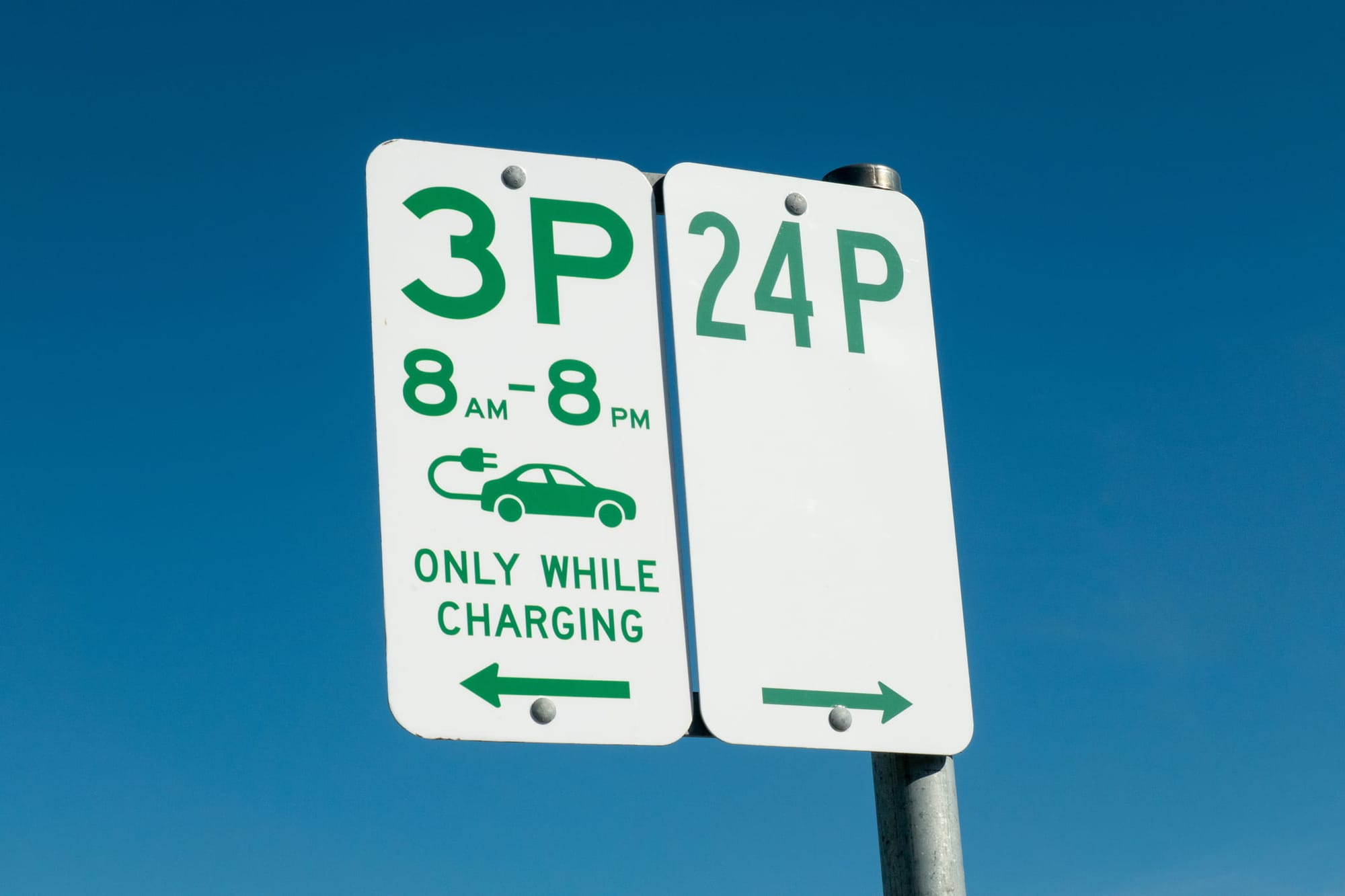
Prices can accidentally push charging into the wrong times
The submission also examines what happens when large fleets (such as public buses) switch to electric.
The key point is that the total extra electricity needed isn’t the main issue. Even a fully-electric bus fleet would only add a small amount to Victoria’s overall electricity use (about 0.4%).
The bigger challenge is local. When many buses charge at the same depot, it creates a heavy load in one place, and the current pricing rules can encourage charging at times that aren’t ideal for the grid.
Charging more during the day can cut emissions because the grid is cleaner then, but under today’s charging prices, it can also make the bill much higher.
In other words, the system may reward the “cheapest for the depot” option rather than the “cleanest for the grid” option.
The submission argues for smarter pricing that makes it easier to charge when solar is strong (like a clear midday cheap period) and for better rules that let large sites use EV-friendly pricing without being penalised for short bursts of high charging.
People trust what they can control
Households don’t respond to prices in neat, predictable ways. In real life, most people don’t think of charging as a “market decision”. They think about what’s easiest, what fits their routines and whether they’ll have enough charge when they need it – especially for the moments that matter, like an unexpected trip or an emergency.
Many households don’t know what tariff they’re on, and even when they do, most don’t actively change behaviour based on tariff changes.
That’s why engagement can’t rely on price signals alone, but instead needs to connect with everyday motivations. A simple message such as “charge when the sun is shining” is easier to act on than a complex tariff schedule.
How to make EV charging work for the grid
People respond to convenience, access and price, so better charging outcomes come from a combination of infrastructure, tariffs and standards. That includes:
- Putting more chargers where cars already sit during the day (workplaces, destinations, public hubs) so daytime charging is easy and normal.
- Making smart charging standard, with default managed schedules (and opt-out allowed), rather than relying on a small group of enthusiasts to opt in.
- Time-varying tariffs that make it genuinely cheaper to charge in the daytime and overnight, while discouraging a second peak from forming in the 5-9pm window.
- Better rules that let large sites access EV-friendly pricing without being penalised for short bursts of high charging.
- Designing programs around everyday routines and trust – for example, making “charge when the sun is shining” the default for solar households, and keeping simple override options so people stay in control.
The future of EV charging infrastructure
If charging is left to the default “plug in when you get home” habit, the evening rush gets bigger, and more generation and network infrastructure has to be built to handle it, which usually means higher costs.
But if charging is shifted into daytime hours when solar is strong, and into quieter overnight periods, EVs can actually help the system by using clean energy when it’s available and easing pressure later on.
This is a design and policy problem, and decisions made now are crucial to the transition. Where chargers are built, how charging is priced, what “smart” features are standard, and how renters and apartment residents are included – all this will shape whether EVs add avoidable cost, or support a cleaner, steadier electricity system.
Monash Energy Institute’s submission to the Parliamentary Inquiry into Electricity Supply for Electric Vehicles presents an interdisciplinary research perspective on electric vehicles and the electricity grid. Prepared by Associate Professor Julie Karel, the submission included contributions from Professor Hai Vu, Associate Professor Roger Dargaville, Professor Yolande Strengers, Dr Changlong Wang and Dr Fareed Kaviani. Monash energy researchers are internationally recognised for their expertise in electricity systems, sustainable mobility modelling, renewable energy integration, and the social and behavioural aspects of energy use. Read the full submission here.


