

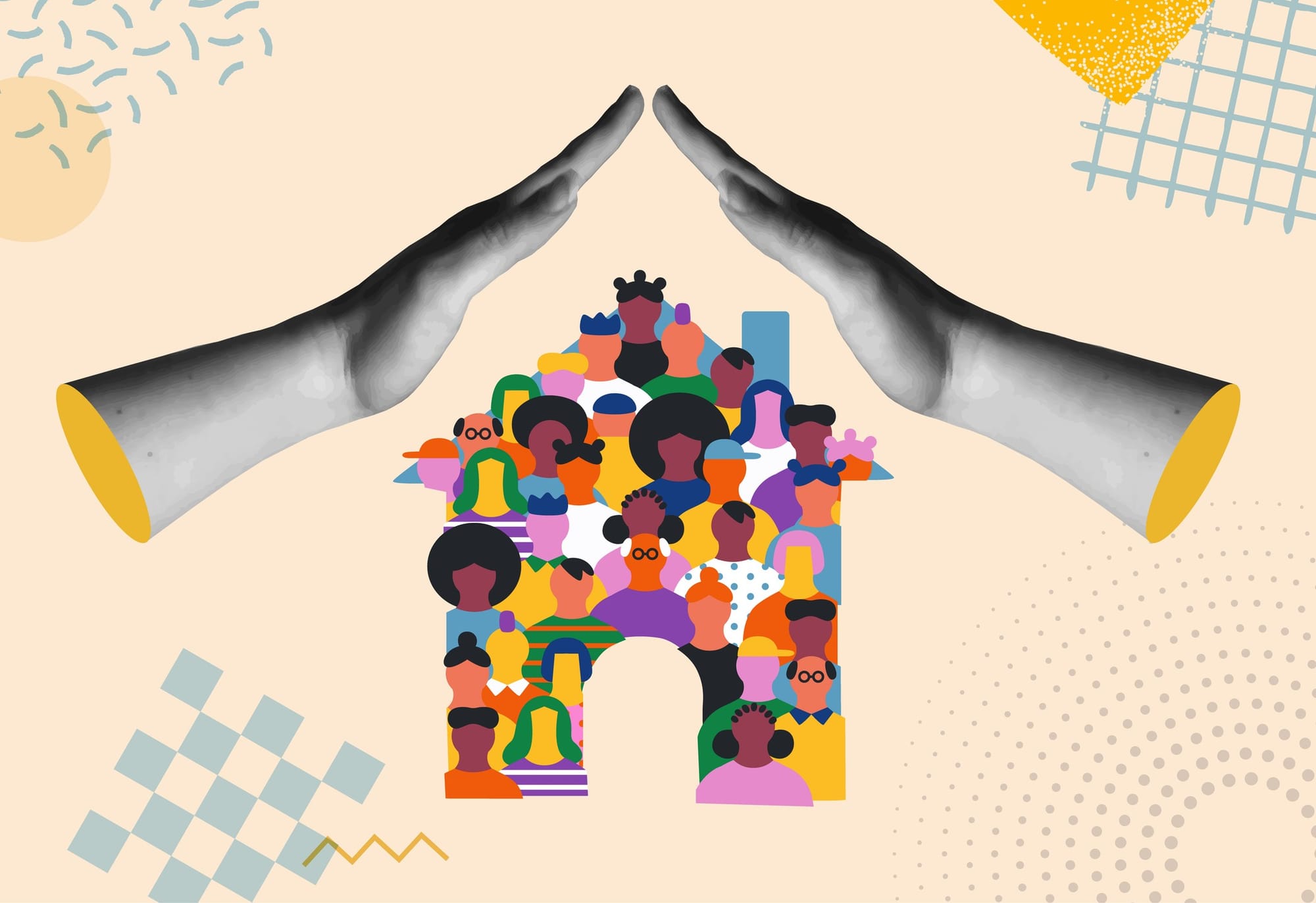
Most migrants in Australia feel a stronger sense of belonging within their local neighbourhood than they do to the country as a whole. That gap, between local connection and national belonging, sits at the heart of what makes social cohesion so difficult, and so important.
At the same time, across Australia and globally, anti-migrant and exclusionary discourses are placing growing pressure on how societies understand belonging, trust and cohesion.
Local governments are often the first point of contact between communities and the state, navigating these tensions on the ground.
Yet these debates often overlook where social cohesion is actually lived – not in policy documents or political rhetoric, but in neighbourhoods, through everyday interactions, shared spaces and local relationships.
Recent research from the Scanlon Foundation Research Institute on migrants’ sense of belonging paints a more complex picture. Among more recent arrivals especially, this gap is often accompanied by loneliness, limited trust and experiences of exclusion, factors that shape whether people feel they have a place here at all.
Where cohesion actually happens
Across Melbourne’s outer suburbs, council staff are on the frontline of this challenge. In communities such as Casey and Wyndham, where close to half the population was born overseas and a similar proportion speaks a language other than English at home (Census 2021), diversity is not a future scenario. It’s an everyday reality.
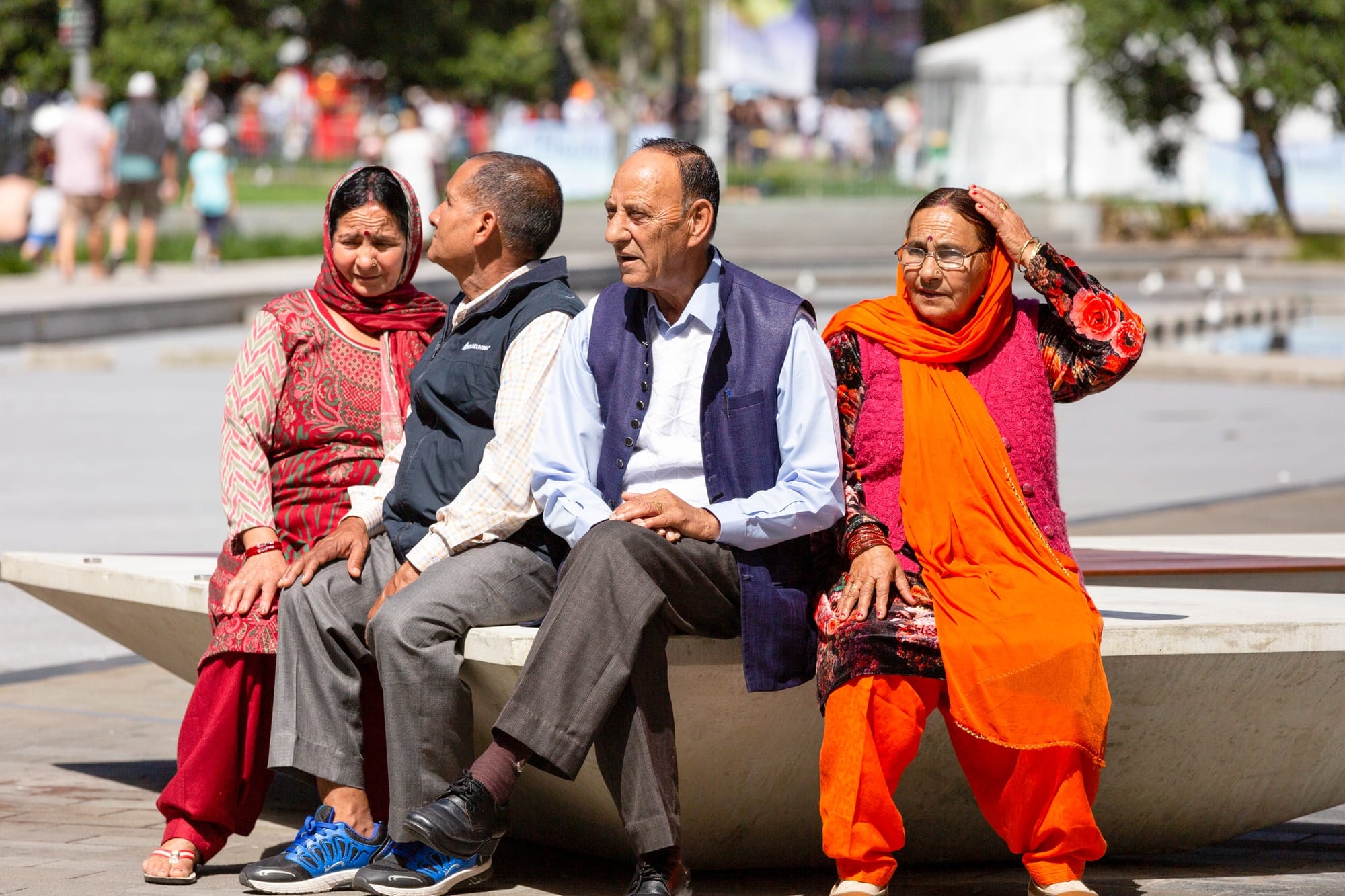
But diversity isn’t only about migration or language. It’s also shaped by differences in gender, age, socioeconomic background, ability and sexuality, as well as by uneven experiences of advantage and disadvantage across communities.
In areas such as Melbourne bayside suburb Frankston, for example, diversity is experienced through these intersecting social dynamics, alongside more varied levels of cultural and linguistic diversity.
Proximity alone, however, doesn’t create cohesion. As practitioners working in local government and researchers exploring how differences across languages and cultures are negotiated, we think it’s crucial to foster conversations across different sectors of society to mobilise knowledge and bring together diverse forms of expertise and better-respond to these challenges.
Neighbourhoods become meaningful only when they’re intentionally designed as spaces of connection.
Community centres, libraries, parks and neighbourhood houses are not simply infrastructure, they’re sites where relationships are formed, trust is built and belonging is negotiated.
These everyday interactions matter. Small, routine encounters in shared spaces can transform proximity into connection, fostering openness and mutual understanding. Local initiatives, whether through arts programs, community connectors or neighbourhood-based services, are what make those encounters possible in the first place.
Trust, participation and the role of local government
In Victoria, the Local Government Act 2020 marked a significant shift in how councils engage with their communities, moving away from prescriptive requirements toward a principles‑based framework that positions councils as active facilitators of inclusive participation and social cohesion.
Under the act, councils are required to adopt a community engagement policy developed with their communities and to apply five core engagement principles:
- Defined scope
- Informed participation
- Representativeness
- Support
- Influence.
Following these principles ensures diverse voices are meaningfully involved in decision‑making and that engagement processes build trust, understanding and shared responsibility.
The act also introduced deliberative engagement as a higher standard for developing long‑term strategic plans, reinforcing the role of councils in bringing communities together to shape collective futures.
More recent amendments under the Local Government Amendment (Governance and Integrity) Act 2024 further strengthen this role by enhancing councillor capability and accountability through mandatory training, a standardised model councillor code of conduct and more flexible, policy‑led approaches to budget engagement, all of which support councils in leading transparent, ethical governance and fostering stronger, more cohesive local communities.
Social cohesion is often understood through four interconnected elements – trust, belonging, participation and positive interaction across differences.
Local governments are uniquely positioned across all four. They’re often the most visible and accessible level of government, yet their role remains poorly understood. This lack of awareness can undermine trust, even as councils deliver essential services and community programs.

Practitioners emphasise that trust is not built through policy statements alone, but through authentic engagement. This includes being transparent about what’s possible, involving communities in decision-making, and creating opportunities for people to shape the places they live.
In the Melbourne outer southwest area of Wyndham, for example, community connector programs have employed people to act as bridges between council and community, translating not just language, but systems and processes.
In Casey, in Melbourne’s outer southeast, community relationships have been built through trusted local figures who support newly-arrived communities in navigating services and participating in civic life.
Fatima’s story, from Autumn Place Community Hub in Melbourne’s west, illustrates what this can look like in practice.
She first came as a participant in an English class, with limited literacy and no prior employment experience. With consistent support, she began volunteering in a playgroup. Within months, she was confidently welcoming families and largely running the group herself.
Her journey from participant to volunteer to informal leader shows that belonging is not simply received. It’s built through contribution, connection and trust. These approaches shift the relationship from council as service provider to council as partner. And that shift matters.
The challenge of belonging in diverse communities
Despite these efforts, challenges remain. Many individuals continue to experience loneliness, disconnection and barriers to participation.
Confidence in engaging with institutions is uneven, particularly among newly-arrived or marginalised groups. Language, representation and accessibility all shape who feels able to participate and who does not.
Even the language used in policy and practice can create distance. Terms such as “culturally and linguistically diverse” (CALD) may erode a sense of belonging, failing to capture the complexity of lived experience in multicultural communities. More specific language, centred on particular communities, languages and lived experiences, tends to do more justice to that complexity, and to the people it describes.
At the same time, diversity itself can generate tensions that must be actively navigated. Issues of safety, representation and competing perspectives are part of everyday community life. Social cohesion, in this sense, is not a fixed outcome. It’s an ongoing process.
Neighbourhoods as the unit of belonging
If we’re serious about strengthening social cohesion, we need to pay closer attention to what happens locally. Neighbourhoods are where people encounter difference, not as an abstract idea, but as a lived reality. They’re where trust is built or eroded, where participation is enabled or constrained, and where belonging takes shape.
This local work matters more than ever. When national debates drive people apart, neighbourhoods remain one of the few places where connection across differences is still possible.
But realising this potential requires more than local effort alone. It calls for closer collaboration between local governments, universities, community organisations and the diverse communities themselves, bringing together research, practice and lived experience to meet the complex challenges of a more volatile and divided world.

The work of building connection can’t be left to chance. Real change happens when research, local government and communities work together, grounded in evidence but shaped by the people closest to these challenges.
By strengthening these partnerships and focusing on what happens in neighbourhoods and everyday spaces, we can turn knowledge into action, supporting fairer decisions, stronger communities and a society where more people feel they truly belong.
This article was inspired by the panel discussion “The role of neighbourhoods in fostering social cohesion”, hosted by the School of Languages, Literatures, Cultures and Linguistics at Monash University on 18 March 2026. The panel featured Olivia Allen (area leader, arts and culture) from Wyndham City Council; Fiona Cann (coordinator, neighbourhood inclusion) from Frankston City Council; and Janet Reid (head of community facility management) from Casey City Council.
This piece was co-authored by the panellists with Dr Lucas Santos and Professor Rita Wilson.


