


Australia stands at a crossroads when it comes to trans and gender-diverse people. Increasing misinformation is fuelling hostility, yet public support for respecting the rights of trans people has reached new highs – 91% of Australians agree or strongly agree that trans people should have the freedom to live their lives in the way that makes them happy.
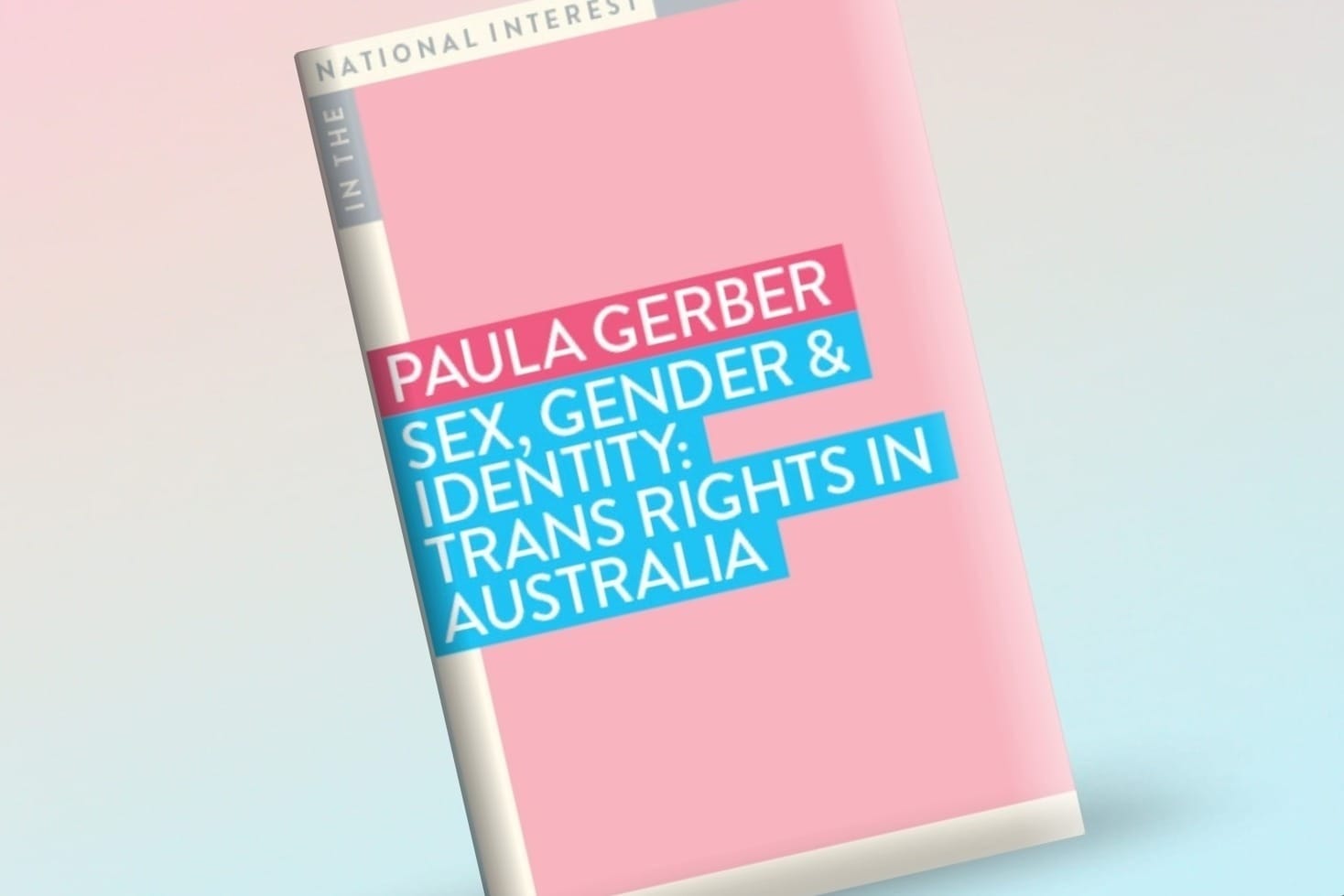
My new book, Sex, Gender and Identity: Trans Rights in Australia, seeks to make a modest contribution to helping ensure that trans and gender-diverse people in Australia can live their lives with dignity and equality, by educating and empowering allies to support this vulnerable minority.
It’s a slim volume packed with the knowledge that empowers individuals to make informed choices about how they perceive and treat trans and gender-diverse people.
There’s no doubt that people who don’t fall squarely within the gender binary can generate highly emotive reactions, including fear, confusion and anger. Indeed, trans women are often portrayed as a threat to cisgender women, leading to a moral panic.
These emotive reactions of alarm and rage towards trans people are ill-founded. The evidence demonstrates that trans and gender-diverse people are far more likely to be victims of vilification and discrimination, rather than perpetrators of hate or violence.
Sex, Gender and Identity combats misinformation and disinformation by setting out in a clear and accessible way the facts behind diversity in sex and gender. It begins by addressing misconceptions regarding terminology.
Words carry immense power, and can easily be weaponised and inflict wounds that leave invisible scars. It’s vital we use words accurately and avoid linguistic discrimination. This can be achieved by taking care to use respectful, non-pathologising language that’s consistent with human rights standards.
The words “sex” and “gender” are often used interchangeably, yet they’re complex and very different terms. The book explores the fluidity of biological sex characteristics, and the role that chromosomes, hormones and anatomical variations play in contemporary understandings of sex as a spectrum, rather than binary concept.
Gender isn’t binary
Similarly, it’s wrong to think of gender as exclusively binary. We would not accept classifying all people as either young or old, or short or tall, and nor should we accept classifying all people as either women or men.
Age, height and gender are all on a spectrum. Gender norms and roles vary between societies and over time, and rely on subjective stereotypes regarding femininity and masculinity, and assumptions about gendered roles.
Terminology has changed over time, as has the degree to which gender-nonconforming people are accepted by mainstream society, but the presence of trans people has been a constant, dating back to ancient civilisations.
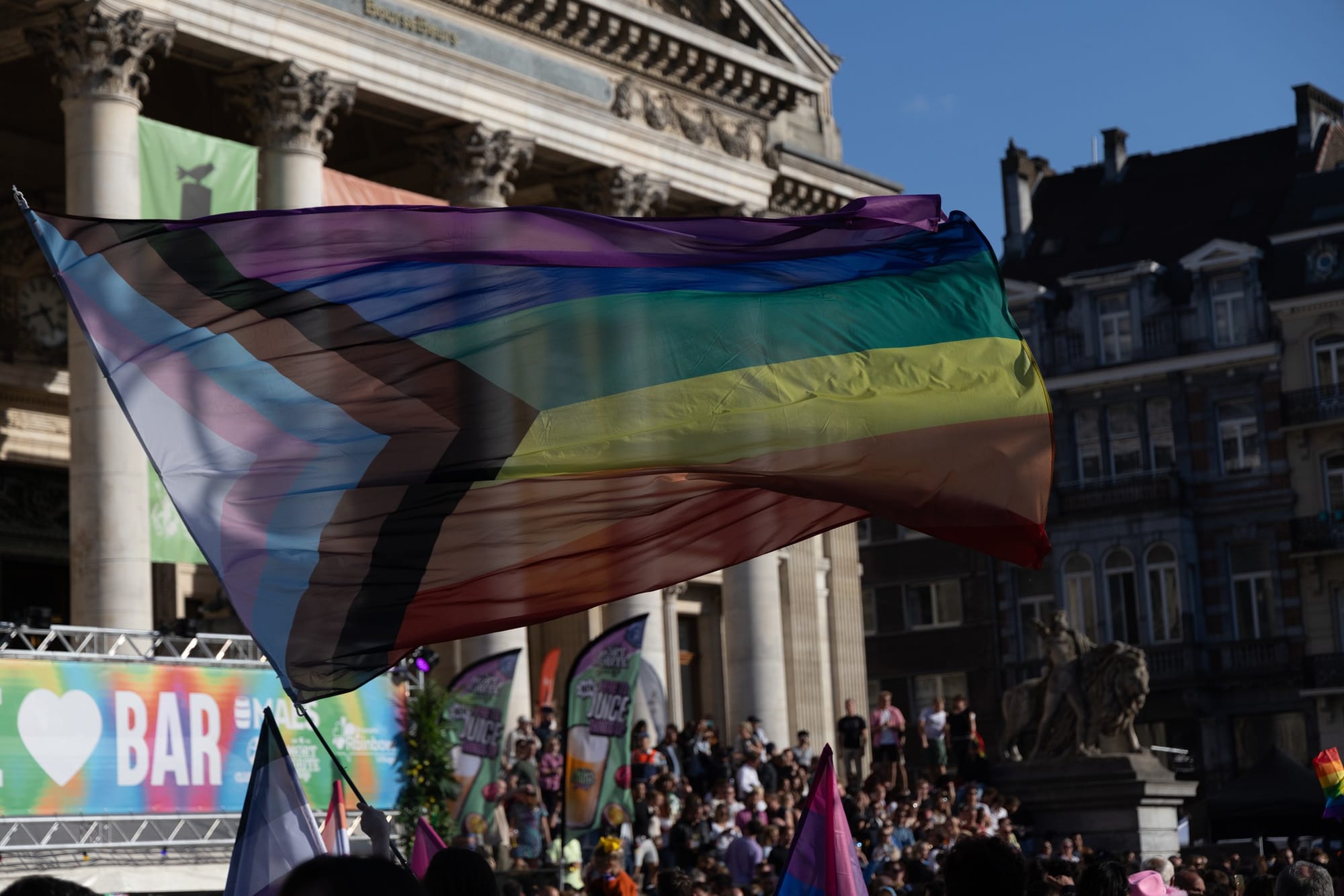
Understanding the history of trans people is essential for recognising how social, legal and cultural forces have shaped – and continue to shape – their lives and identities.
Sex, Gender and Identity examines milestones, setbacks and ongoing struggles in trans history, and sheds light on the roots of current challenges and the resilience of those who have fought for recognition and rights.
Acknowledging and respecting this past is crucial to building a more inclusive future, because it highlights both the progress made and the work still to be done to ensure dignity and equality for all.
As a human rights law professor, I enjoyed the opportunity to write about how international law protects the rights of all humans, regardless of their gender identity. At a time when we’re seeing several countries use their laws to persecute trans people (US, UK, Hungary, to name a few), global human rights laws play an essential role in protecting vulnerable minorities.
The UN system is by no means perfect; it’s slow, cumbersome, underfunded and lacks enforcement mechanisms, relying on the goodwill of governments to accept and comply with international law.
Trump’s recent military operation in Venezuela, seizing President Nicolás Maduro and his wife, and his announcement that now he “will run” Venezuela on an interim basis and control that country’s vast oil supply, highlights just how little respect some world leaders have for international law.
However, there are examples of international human rights law leading to real and sustained change.
The landmark decision of the UN Human Rights Committee in Toonen v Australia involved a complaint by a gay man about the criminalisation of same-sex sexual conduct in Tasmania, and led to Tasmania repealing all laws criminalising sex between consenting adult men in private. It also set a global precedent that the criminalising of same-sex sexual conduct is a violation of international law.
So, the system can work.
Read more: From criminalisation to compensation: Tasmania’s landmark LGBTIQA+ rights reform
With the escalating attacks on trans people in other parts of the world, including in countries that were, until recently, perceived to be relatively safe places for trans and gender-diverse people, it’s timely to ask the question: Is Australia going to go down the same path? My answer is a tentative “no”.
While there are always going to be outliers who try to whip up a moral panic regarding the “threat” trans women supposedly pose to cis women, the evidence clearly demonstrates that the majority of Australians either respect the rights of trans and gender-diverse people, or are ambivalent when it comes to gender diversity.
The evidence indicating that Australia is unlikely to go down the same path as the US and UK includes:
• positive societal attitudes
• protective legislation, such as, the Sex Discrimination Act 1984 (Cth) which prohibits discrimination on the basis of gender identity
• court decisions in cases such as Tickle v Giggle and Lesbian Action Group v Australian Human Rights Commission (both subject to appeal)
• proactive education and awareness-raising campaigns such as the Victorian government’s video, The Unsaid Says a Lot
• strong research and advocacy on trans rights, including access to healthcare, participation in sport, parental attitudes and inclusive curriculum.
However, recent decisions by the Queensland and Northern Territory governments to deny puberty blockers to gender-diverse youth demonstrate that Australia must remain vigilant about the winding back of basic human rights of trans people.
A more informed society is vital to safeguarding the rights of all Australians and will assist in ensuring we continue to reject imported culture wars.
Sex, Gender and Identity: Trans Rights in Australia (Monash University Publishing, 2025, ISBN 9781923192690 paperback, 9781923192713 ebook) is available here in print version, or here as an ebook.


