


As Hollywood’s awards season kicked off in early January, the 83rd Golden Globe Awards once again positioned themselves as an early barometer of industry momentum, and a test of international visibility.
For Australian talent, the ceremony delivered a familiar mix of recognition and restraint, highlighting both the reach of “Aussiewood” and the limits of its conversion into major wins.
Australian actors and filmmakers featured prominently across film and television categories, but the night yielded just one Golden Globe victory.
While the result underscored Australia’s continued presence in high-profile global productions, it also reflected intensifying competition as awards bodies expand categories, audiences fragment and rival ceremonies jostle for narrative control early in the season.
Rose Byrne won for best performance by a female actor in a motion picture – musical or comedy, for her extraordinary portrayal of Linda, a mother on the edge of a nervous breakdown in Mary Bronstein’s If I Had Legs, I’d Kick You.
Everything 'If I Had Legs I’d Kill You' demanded, Rose Byrne delivered. 🏆 #GoldenGlobes
— Golden Globes (@goldenglobes) January 12, 2026
🎥 AB+DM pic.twitter.com/ytmhjOtJtn
With previous nominations for Damages (2008; 2010), this is Byrne’s first Golden Globe. Scoring 15 international awards already for her performance in Bronstein’s film, this new accolade places the comedic actress as a hot favourite for an Oscar nomination.
Veteran Golden Globe winner Sarah Snook was nominated for best female actor in Minkie Spiro and Kate Dennis’ television series, All Her Fault, about a working mother whose life unravels when her young son mysteriously disappears after a playdate, but that went to Michelle Williams for Dying for Sex.
Hollywood’s “It Boy”, Jacob Elordi, was nominated twice. First, for best male supporting actor as the creature in Guillermo del Toro’s Frankenstein, in which he lost to Stellan Skarsgård in Joachim Trier’s Sentimental Value, and for best male actor, in Justin Kurzel’s television miniseries The Narrow Road to the Deep North, about an Australian army surgeon and prisoner of war on the Thai–Burma Death Railway during World War II. That award went to Stephen Graham for Adolescence.

First-time nominee Joel Edgerton (Train Dreams) lost the best actor award to Timothée Chalamet, who played Marty Mauser, a New York hustler and aspiring table tennis star during the 1950s, in Josh Safdie’s Marty Supreme.
KPop Demon Hunters won best original song for Golden, beating Train Dreams by Nick Cave and Bryce Dessner.
Paul Thomas Anderson’s One Battle After Another secured the most film wins, including best motion picture – musical or comedy; director; screenplay; and supporting actress (Teyana Taylor).
Adolescence earned the most television awards, winning four Golden Globes.
Golden Globes versus Critics’ Choice
Established by the Hollywood Foreign Press Association in 1943, the Golden Globes are considered the bellwether for the awards season, trading on legacy, star power and global visibility.
Voted on by 300 international journalists (including nine Australians), the awards focus on edgy entertainment value, but in recent years has been criticised for lacking transparency and inclusivity. In 2023, the association rebranded the Golden Globe Foundation under new management.
In 2026, the inaugural podcast category was added, and that award went to Good Hang with Amy Poehler. The Golden Globes expanded its CBS broadcast (and Paramount+ streaming) to a Golden Week, from 8 January with the Golden Eve showcasing the Carol Burnett (won by Sarah Jessica Parker) and Cecil B. DeMille (Helen Mirren) awards, concluding with the official awards ceremony on 11 January.
Hosting for the second time, comedian Nikki Glaser’s opening monologue kicked off the 2026 ceremony, making jabs at CBS News, Hollywood studios (Warner Bros) and the A-listers.
Scheduling changes meant the Critics’ Choice Awards gained the awards narrative lead by broadcasting live on E! and USA Network on 5 January and streaming the next day on Peacock.
Voted on by 570 American critics and entertainment journalists, the Critics’ Choice offers broader industry representation and is often more closely with Oscar trends.
The relevance of Aussiewood
As awards shows compete for cultural authority and media relevance at the start of Hollywood’s awards season, do the recent changes impact Aussiewood’s visibility? In 2026, Critics’ Choice Awards had eight Australian nominees, while the Golden Globes had five.
The term Aussiewood was coined in 2002 when the Australian creatives were nominated in 24 television and film categories at the Golden Globes.
Hollywood studios offer star power, but the growing landscape of local studios and incentives is attracting global filmmaking to Australia.
All Her Fault was primarily filmed in Melbourne (in locations including Elwood and the Mornington Peninsula), despite being set in Chicago in the US. Most of the television series was filmed in Australia because production costs are lower, tax incentives are generous, and Melbourne’s suburbs can convincingly double as American neighbourhoods.
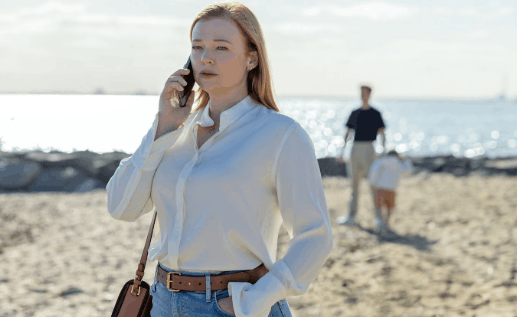
In The Narrow Road to the Deep North, the Illawarra region in New South Wales doubled as wartime Asia, offering the production huge financial and creative advantages.
Aussiewood is maturing into an industry that’s less about exporting talent and more about building local content for Hollywood.
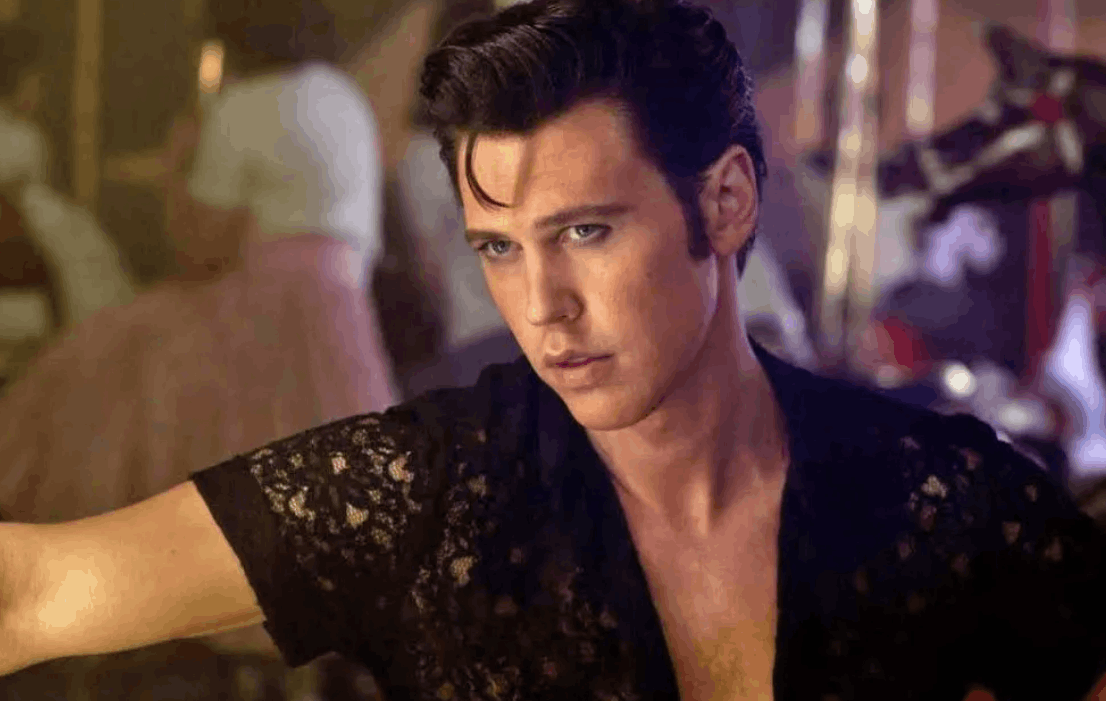
As a sustainable industry on the Gold Coast in Queensland is serving global audiences, a new term, “Goldywood”, coined by Australian film director Baz Luhrmann, describes this region as an emerging hub for film production. Between 2020 and 2021, Luhrmann’s Elvis was filmed there, receiving three Golden Globe nominations and one win.
Godzilla x Kong: Supernova by Australian filmmaker Grant Sputore is currently in production on the Gold Coast, while last week, Melbourne served as a New York stand-in for Michael Matthews’ Empire City, starring Gerard Butler and Hayley Atwell.
As rivalry fuels comparative news coverage regarding celebrity spectacles, critical judgment and recognition, the Golden Globes still claims to be the largest awards show globally to celebrate the best of both film and television.
If an Australian creative filming anywhere in the world receives a Globes gong, it signals they’ve joined Hollywood’s global hierarchy of fame, influence and industry legitimacy.


