

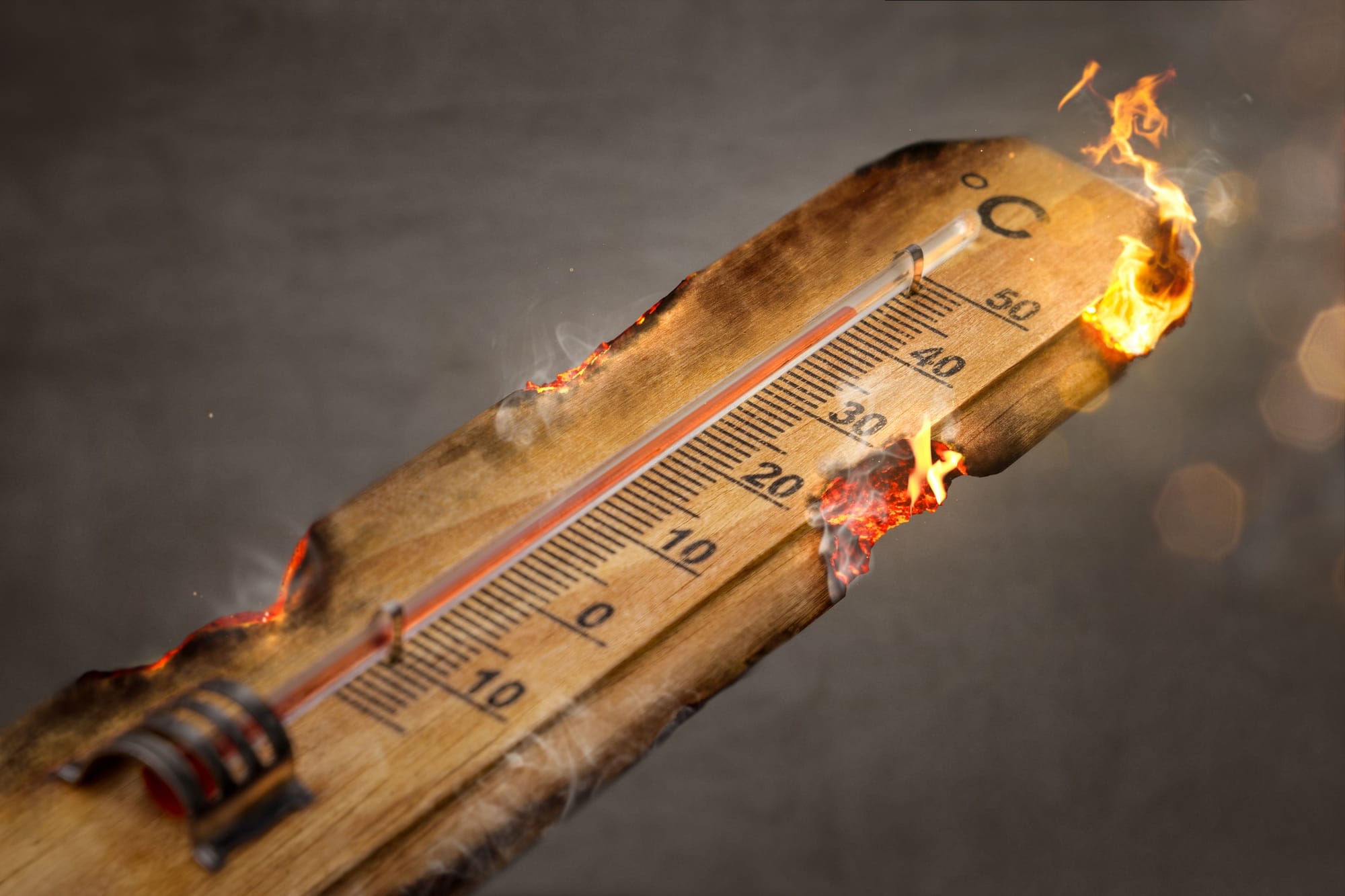
In January 2026, Victorians received a harrowing reminder of their vulnerability to a warming climate. A few weeks ago, a new statewide maximum temperature of 48.9℃ was recorded, hotter even than the temperatures during the devastating 2009 Black Saturday bushfires.
The forecast conditions triggered extreme heatwave warnings and catastrophic fire danger ratings. Out-of-control blazes in the Otways Ranges were reignited, having already been sparked a few weeks earlier in blazes near Longwood and Mount Lawson.
As climate change continues to increase the severity, duration and frequency of weather-related disasters, the convergence of extreme heat and bushfire are increasingly becoming the “new normal” for countless Victorians.
As we adapt to these new ways of living, it’s critical that our health systems, disaster management, bushfire and extreme heat warnings and urban planning adapt to respond to the compounding health risks.
The current emergency
When extreme heat and fire-driven smoke intersect, they create a compounding health emergency that places immense strain on our healthcare workforce and infrastructure.
The most well-documented of these is heat stress. During periods of extreme heat, the body relies heavily on its cardiovascular system to regulate temperature.
The heart needs to work harder as it redirects blood to the skin to help the body cool, while simultaneously meeting the oxygen demands of other vital organs.
This physiological stress is why heatwaves drive surges in emergency department presentations for worsening chronic health conditions such as diabetes and heart, lung or kidney disease, especially among older people, rather than large numbers of heatstroke cases.
As climate change fuels more frequent and intense heatwaves, health risks for both outdoor and indoor workers are rising worldwide.
— United Nations (@UN) August 22, 2025
A new report by @WHO & @WMO warns of long-term impacts on economies and workers’ well-being, highlighting key measures to protect them.… pic.twitter.com/i6Os7UqQuk
Dangerous fine particulate matter (PM2.5) from fires penetrates deep into the lungs and exacerbates chronic respiratory conditions. Recent evidence estimates that globally, up to 1.53 million all-cause deaths per year are attributable to air pollution originating from bushfires.
Residents of Melbourne will be aware of the recent “blanket” of smoke from the out-of-control Otway Ranges fire.
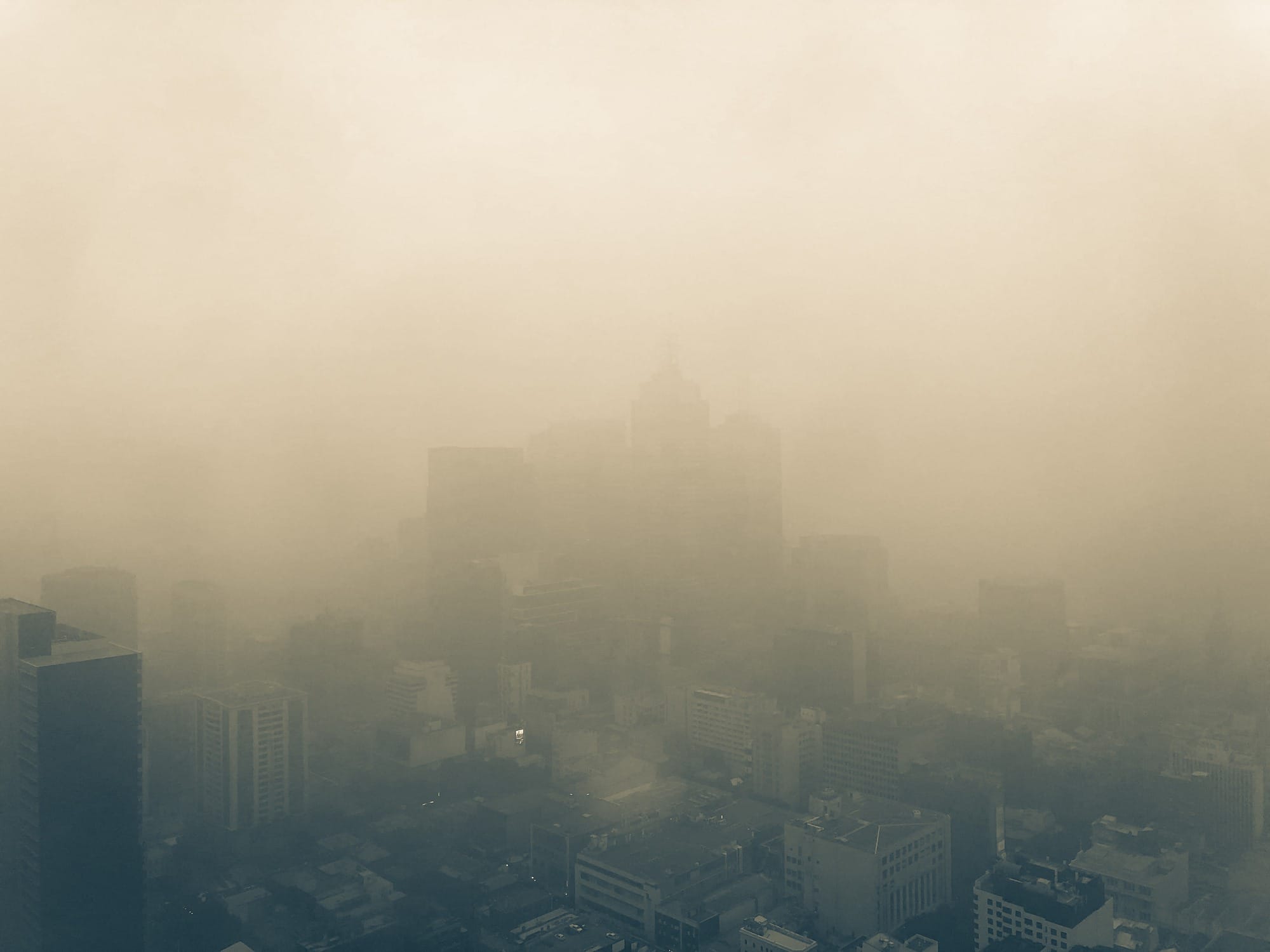
As the smoke haze drifted across the state, EPA air quality ratings declined to “very poor” and “extremely poor” in suburbs including Footscray, Melton and Sunbury.
This demonstrates how bushfire PM2.5 can affect communities hundreds, if not thousands of kilometres away, thereby posing risks to more people than are exposed to the flames alone.
Traditionally ‘unseen’ climate-driven health risks
Addressing these problems relies on heroic efforts of emergency services, but emerging evidence suggests climate change is driving significant health risks that extend beyond the immediate dangers of bushfire and extreme heat.
According to Victoria’s former deputy chief health officer, Professor Angie Bone:
“While the immediate dangers of high temperatures and bushfires are quite well-known, there are a host of less-visible consequences to our health that are often overlooked. It’s really worth being aware and prepared for these and helping others who may be less able to do so – particularly with high temperatures possible for the remainder of summer.”
An emergency “do not drink advisory” was issued for Harcourt and surrounding areas in central Victoria on 9 January after contaminants from debris, ash, dead animals and fire retardants entered the Coliban main channel. The advice was in place until 17 January, demonstrating one of the less direct, potential health implications of the fire.
Over the longer term, bushfires can compromise water quality by destroying vegetation that acts as a natural filtration system. Subsequent rainfall can then wash ash, sediment and heavy metals (such as iron and manganese) into reservoirs and catchments, making drinking water more difficult and expensive to treat to avoid posing risks to public health and community safety.
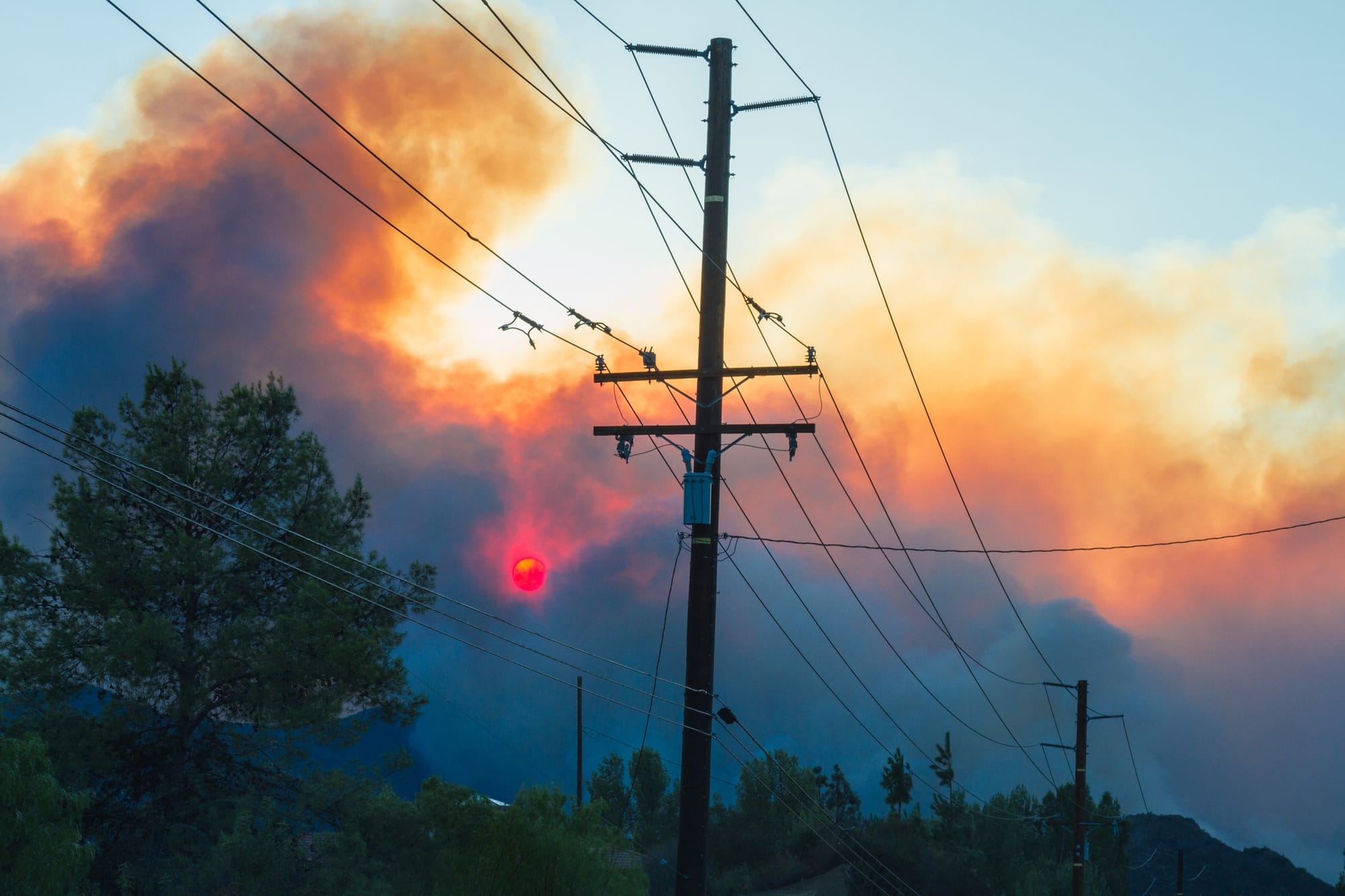
Fires can damage power and communications infrastructure, and extreme temperatures significantly increase electricity demand, disrupting supply. This can have knock-on effects, impacting people’s ability to keep themselves cool, store food and access online information or call for help.
Hot weather can increase irritability, cause trouble concentrating and disrupt sleep. The threat or experience of bushfires takes an emotional toll on people, with risks of post-traumatic stress disorder, depression, anxiety, substance abuse and complicated grief common in post-disaster scenarios.
While symptoms generally fade over time, they can last months or years, with women, children and people with prior mental health conditions at the greatest risk.
Central to these risks is a growing vulnerability gap. Australians most exposed to heat and smoke – those socially isolated, economically disadvantaged, with pre-existing conditions and people living in poorly insulated, “heat-trap” housing – often have the least agency to follow advice from authorities and limit their exposure.
According to a 2025 report from the Australian Council of Social Service (ACOSS), people living in poorly-energy-performing homes are more likely to ration electricity by cutting back on basic daily essentials including showering, refrigeration and social connection.
These issues become amplified in emergency scenarios, with the potential to seriously increase health risks and exacerbate existing inequities.
Systems must adapt to meet the challenge
As the intensity and duration of our fire and heat seasons expand, we must shift our perspective. Disasters don’t begin when the first flame is sparked or the mercury hits 40°C, and they certainly don’t end when the fires are extinguished or the cool change arrives.
The bravery of our emergency services should be accompanied by disaster-preparedness plans that are adapted and optimised to support human health, not just as an emergency response, but as a long-term strategy.
The “silent” impacts of these events – the slow-building psychological toll, the degradation of water catchments and farmland, and the risks of persistent exposure to lingering smoke – require us to look beyond the immediate news cycle and focus on protecting the public health of Australia’s most vulnerable populations.
This article was co-authored with Owen Eades, Senior Project Officer, Infectious Diseases Epidemiology Unit, Monash University.


