

Today, 12 May, is International Day of Plant Health. Before you yawn and continue scrolling, it’s worth remembering that 98% of the oxygen we breathe and 80% of our food is directly provided by plants. So even from a selfish, human-centric point of view, we need to be very vigilant about promoting, securing and protecting plant health.
We can think of our whole planet as one giant ecosystem or organism. Plants play a crucial part in the viability of that organism (sometimes called Gaia). If plants were to cease to exist, then our planet would become uninhabitable except for the simplest forms of life.
Plants underpin the existence of advanced life on our planet by not only providing oxygen, but food and other crucial materials can be used by other lifeforms to thrive and multiply.
Ultimately, plants can carry out this service because they can directly capture the energy from the sun to drive chemical reactions.
Plants under pressure
However, plants are also in a struggle for existence, as they need to compete for the resources they need – sunlight, water and some essential nutrients from the soil. Their health depends on protection from attacks by pests and diseases.
Climate change, pollutants and agribusiness practices – all due to human activities – have made the task of maintaining health much harder for plants.
Climate change alters the environment. Humans react to unfavourable environments by migration. Plants cannot move, so they suffer the effects of climate change and use inbuilt stress mechanisms to deal with unfavourable environments. This affects their productivity.
The altered environments also lead to the emergence of new pests and disease-causing organisms. Plants specific to a location usually don’t have defences against these novel threats and fall prey to them.
Additionally, pollutants can also affect plants through contact or uptake, either directly killing the plant or making them vulnerable to additional stresses.
The practices of modern agriculture also threaten plant health. The issue here is the use of monocultures – large areas devoted to the cultivation of genetically similar plants. This means that once a disease takes hold, it can spread rapidly through the entire area with potentially devastating consequences.
Plants have rudimentary defence or immune systems that depend on recognising specific moleculesfound or produced during infection. If the disease-causing organism can avoid recognition, then it can infect that plant and, in the case of monocultures, the whole area under cultivation.
At a global scale, we humans currently depend on perhaps 10 to 20 different plant species for most of our food and many more to provide additional resources for our lives. It’s instructive, therefore, to consider the impact of disease on these select plants on the welfare of our own species.
When plants fail
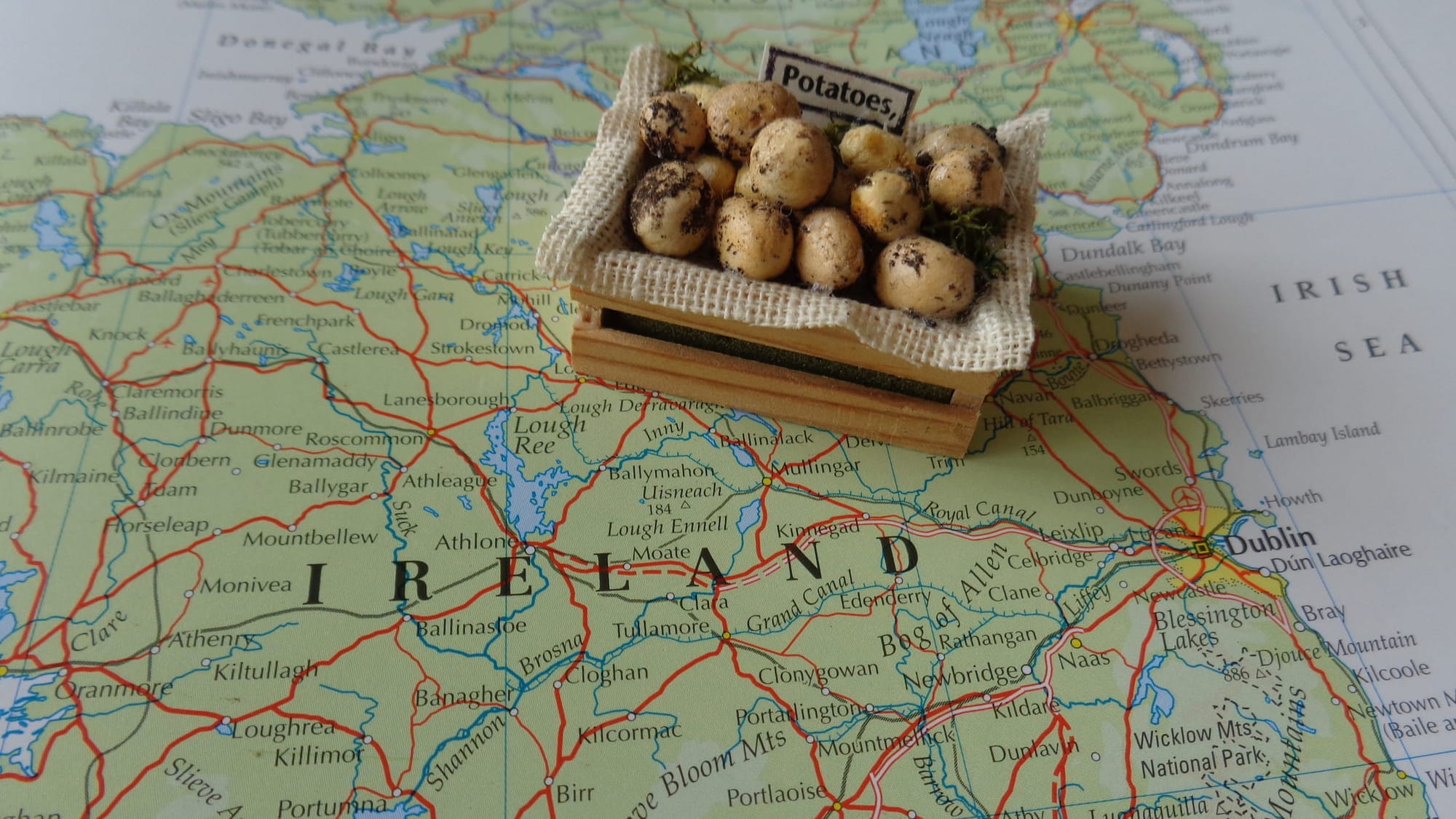
In the 1840s, Ireland was a nation divided between landlords and far more numerous tenant-farmers. The diet of the tenant-farmers consisted largely of potatoes of a particular type. From 1845 onwards, the potato plants were infected by a fungus-like organism (oomycete), Phytophthora infestans, leading to huge losses in potato production.
The period 1845-52, known as the Great Famine in Ireland, led to the loss of about a quarter of the Irish population through death and emigration. That’s the equivalent of losing nearly 10 million Malaysians in less than 10 years.
Another example of where loss of plant health has had a dramatic impact, although not in terms of human lives, is in the banana industry. Bananas are the most-consumed and exported fruit worldwide. Up until the 1960s, the most common type of exported banana was called the Gros Michel. It was grown in massive plantations all across the Caribbean and South America.
However, it fell victim to a soil fungus (Fusarium oxysporum f. sp. Cubense) and had to be replaced by the currently popular cultivar Cavendish, which was resistant to that specific type of fungus.
However, Cavendish bananas are also now under threat from a related strain. Fortunately, Malaysia has many indigenous types of bananas that have resistances to the diseases threatening the banana industry.
Protecting our food
It’s clear, then, that human welfare generally is dependent on the health of the plants we use regularly. We should therefore do our utmost to prevent plant disease outbreaks in our region and our nation. This is why the theme of this year’s International Plant Health Day is “Plant Biosecurity for Food Security and Nutrition”.
One simple way we can all help is to declare fresh produce or plants being brought into the Malaysian Quarantine and Inspection Service (MAQIS) and abide by their decisions. We should also be very careful when buying plants online and ensure they have clearance from MAQIS if they’re from overseas.
These checks reduce the possibility of introduction of unwanted pests and diseases into Malaysia. This is clearly a very important part of maintenance of plant health in our country, as globally about 40% of plant food production is lost to diseases and pests.
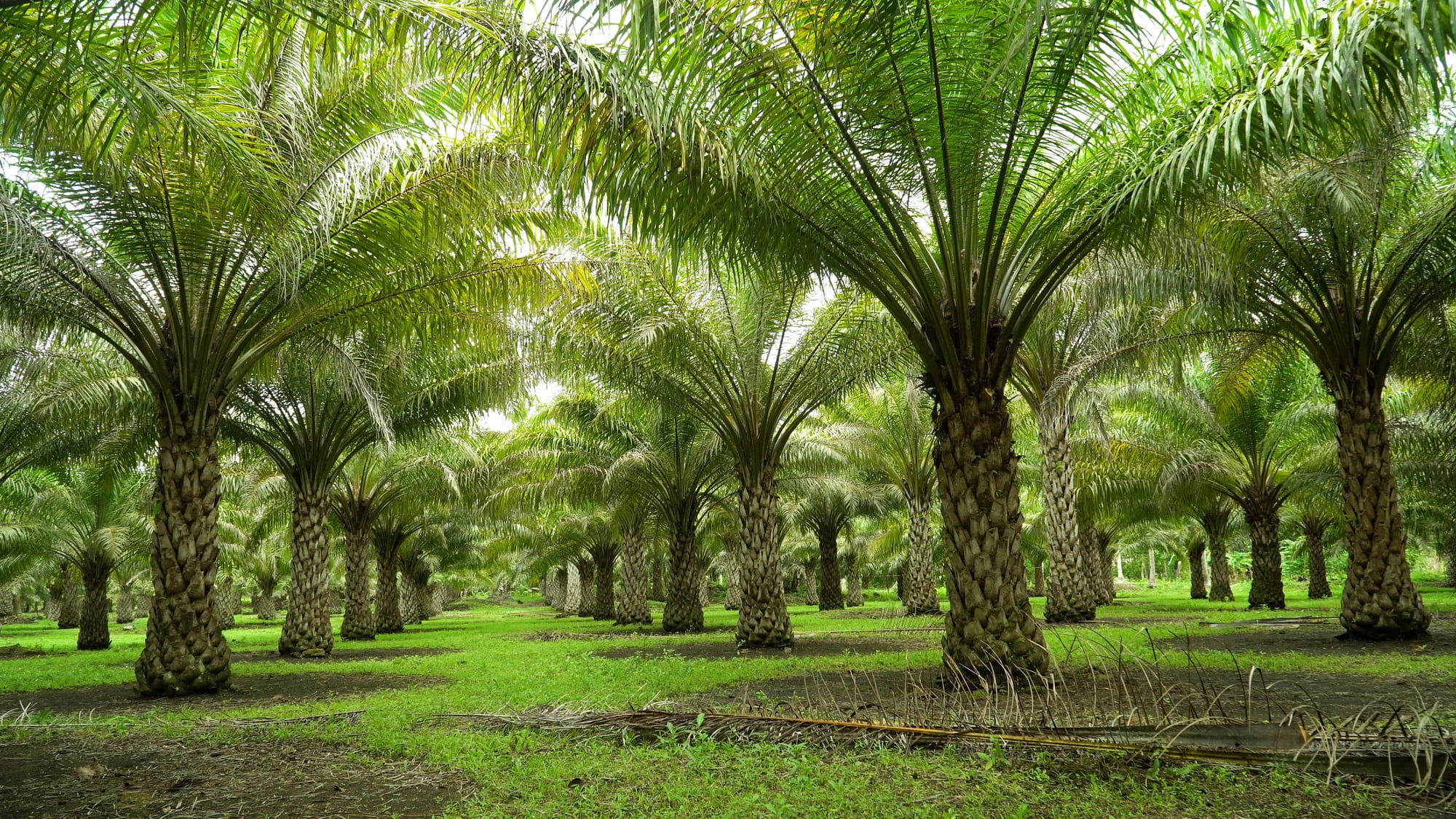
As with human diseases, sometimes the bases of particular diseases are not known, despite the social and economic impacts they can have. One example relevant to Malaysia is basal stem rot (BSR) disease that can have a devastating effect on the productivity of the oil palm.
BSR can spread easily and quickly on oil palm plantations, killing oil palms of all ages. It’s well-known that the disease is caused by yet another fungus, Ganoderma boniense.
However, many of the details of the infection process are not well-understood and this hampers efforts to control it.
Fighting plant disease
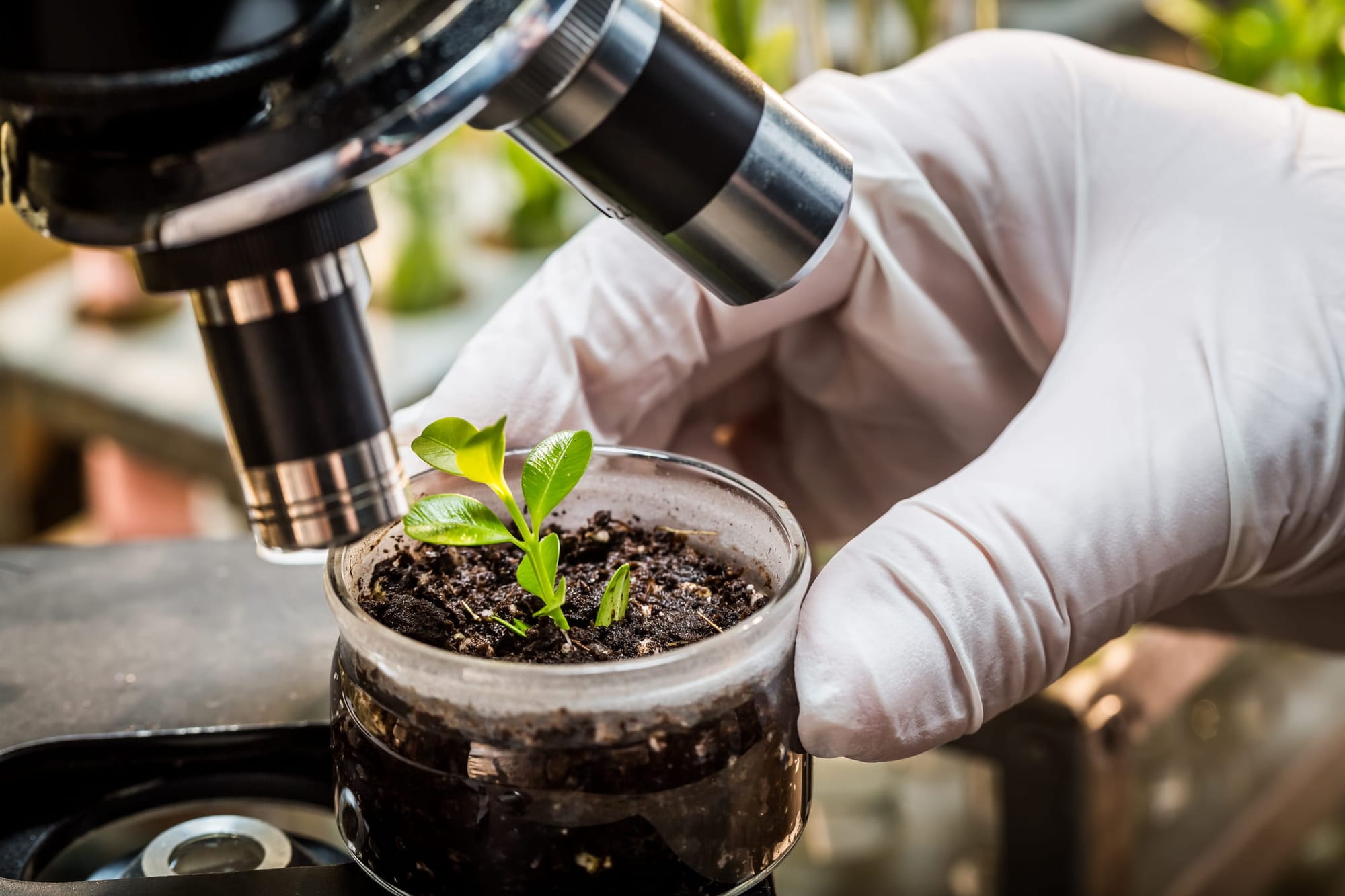
The School of Science at Monash University, Malaysia is playing a leading role in trying to better-understand how the disease develops. Professor Adeline Ting and her group are discovering ways to better-control this disease through detailed studies of plant fungus interactions in the laboratory as well as in plantations.
Taking a different angle, Dr Wee Wei Yee, also from the School of Science, is taking a computational approach to identify genes involved in the infection of oil palm cultures by the fungus using DNA sequencing datasets.
Additionally, Dr Ng Wei Lun is profiling mangrove endophytic fungi to establish a global reference database for biodiversity discovery and long-term sustainability of these valuable coastal ecosystems.
International Plant Health Day will be over in 24 hours. However, if it makes us reflect on the importance of plant health to our own wellbeing and the wellbeing of the biosphere, and how we ourselves can help plants maintain their health, then the day will have served its immediate purpose. Still, we need to remember that every day should be Plant Health Day,


