
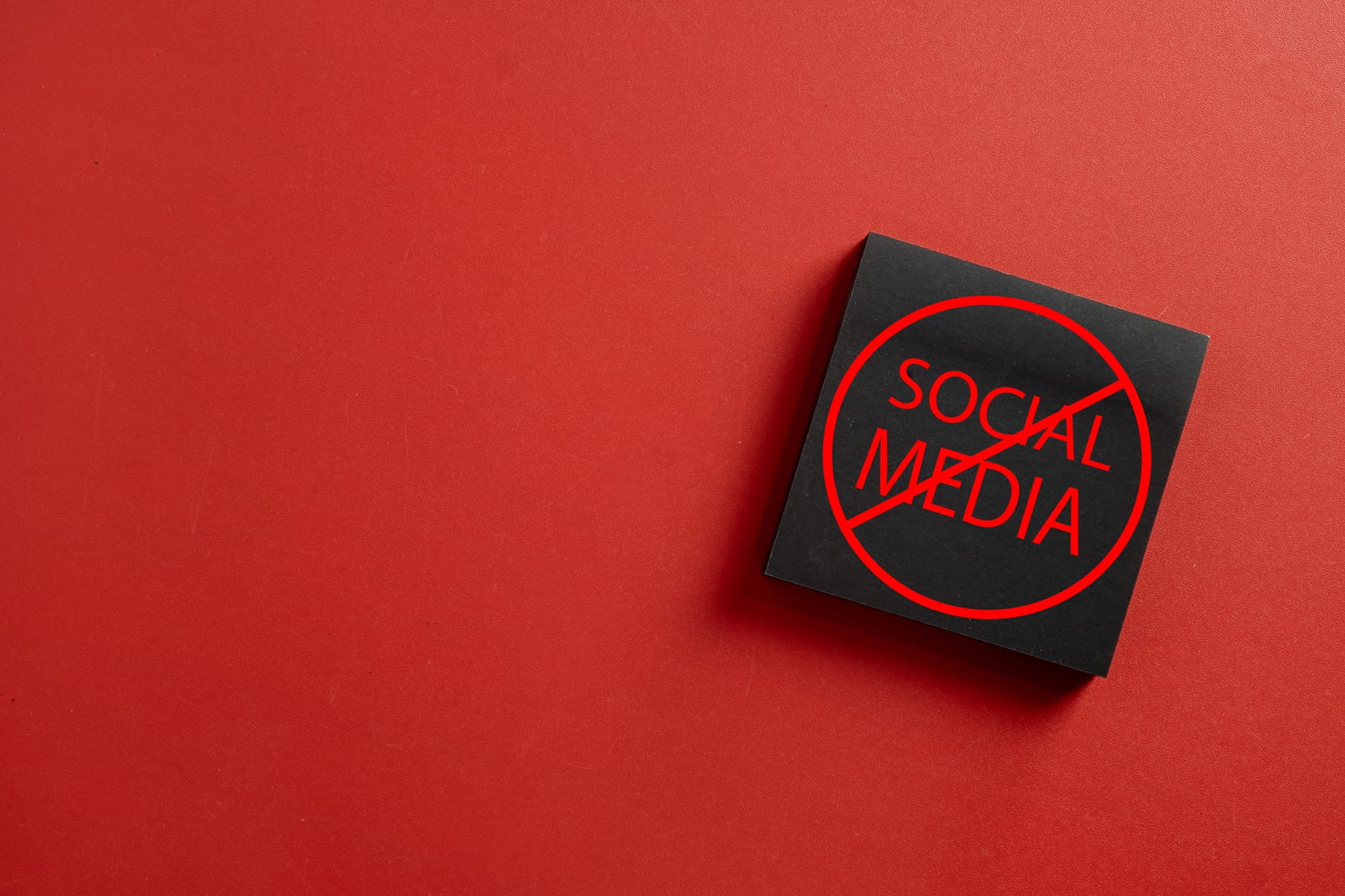
With school returning, students will be navigating their first school year under Australia’s new social media ban. If the Prime Minister’s vision of the ban is fulfilled, then the students of 2026 should be returning to school fully refreshed after a summer of outdoor fun with friends, sports and “real life” rather than social media.
However, in reality, the effects of the ban are likely to be far more mixed, and the impacts felt more unevenly.
Australian research shows that children living in wealthy areas have access to more outdoor recreation than those living in poorer neighbourhoods, so the imagined “return to the playground” will have been much easier for some than others.
While there’s been significant anxiety about the interactions children have on social media, research has found these platforms can play a role in their friendship and self-care practices. Children and young people with disabilities can find digital spaces more accessible for socialising, and young LGBTQIA+ people turn to social media for informal mental health support from peers.
Without these opportunities for social support, these children may be left more isolated.
Read more: Under-16s social media ban abandons LGBTIQA+ and marginalised youth
There are also valid concerns the ban will push children onto niche platforms and more harmful corners of the internet not yet covered by the ban. In the months since the ban has come into effect, the popularity of relatively new platforms such as Yope and Coverstar has risen significantly.
While the ban may eventually extend to cover these platforms, others still may spring up in their place.
More concerning is what will become of young people’s user data with the rise and fall of these platforms. Research shows that defunct social media platforms treat user data in ad hoc ways, with very few established norms or rules dictating how closing-down platforms should protect their former users.
Less-privileged students hit hardest
As education researchers, we’re also concerned about the possible educational harms arising from the ban. Harms that, again, are likely to be experienced most acutely by less privileged students.
We already know there are significant gaps in resourcing between wealthy schools and poorer schools in Australia – some of the largest gaps in the OECD.
Students in well-resourced schools losing access to social media learning communities and resources are much more likely to be able to replace these with school-supplied alternatives. Students in already disadvantaged under-resourced schools are unlikely to be able to replace the learning resources to which they’re losing access.
During the COVID pandemic, when schooling was carried out remotely, we saw young people engage with social media to support their learning in a range of innovative ways.
These include forms of support, from venting about the struggles of online learning and sharing study hacks on TikTok, to Discord study groups and Youtube explainer videos.
This phenomenon is also nothing new, with students using older platforms such as MySpace to support their learning in similar ways.
The value of informal learning
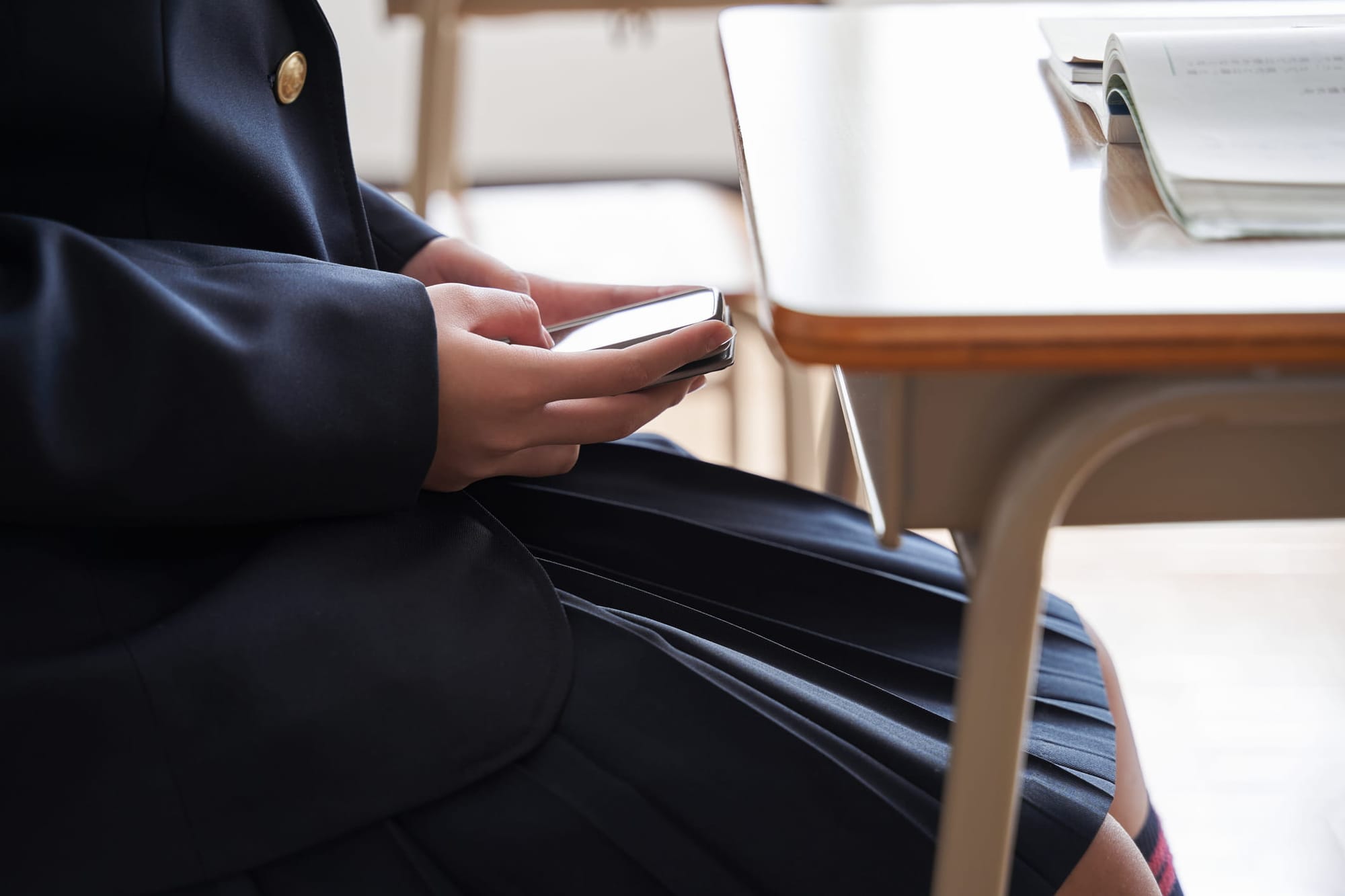
Beyond the ways that social media supports school learning are the various ways social media can foster informal learning. Take, for example, the thriving #BookTok community – TikTok’s book-reading community, driven by teen readers. On TikTok, young readers can participate in online book clubs and find recommendations from likeminded readers their own age.
Social media can be a place for young people to explore their identities, beliefs and the world around them. For example, research has shown many teens find online spaces more comfortable to seek information about sexual and reproductive health, because they feel more authentic and relevant.
Young people also increasingly learn about politics and global issues online, finding ways to express their views on social media in ways that speak to their peers.
Self-expression and feeling heard is important to young people. Interestingly, when researchers from QUT spoke to young people about the social media ban, they found they believed adults misunderstood how they used social media. Many were supportive of better education about social media rather than blanket restrictions.
The ban’s negative impacts
While we recognise the harms of excessive social media use, it’s important we recognise what we also know from the 20 years of research conducted on social media – that is, that it can play a key role in helping children and young people make powerful connections with communities of their peers.
As educators, we can see ways the social media ban could impact students negatively over the next few years. Most critically, it seems clear that students who already have access to better educational resources will be able to mitigate these impacts.
As the new school year starts, it’s important that parents and educators are mindful that there could be significant gaps in the resources available to some students now that the ban is in effect.
Read more: The under-16s social media ban will damage young people’s political education
It’s also important to take young people’s experiences seriously. Just because a platform seems frivolous to you doesn’t mean it isn’t a significant form of support to them.
We need to remain aware that some young people might well be feeling disconnected from their familiar and trusted sources of learning, and strive to support young people to find these connections in other ways.
The long-term impacts of the social media ban are clearly going to be mixed. It’s important we pay close attention to how young people’s educational engagement and capacity to learn is being affected – for better and for worse.


