

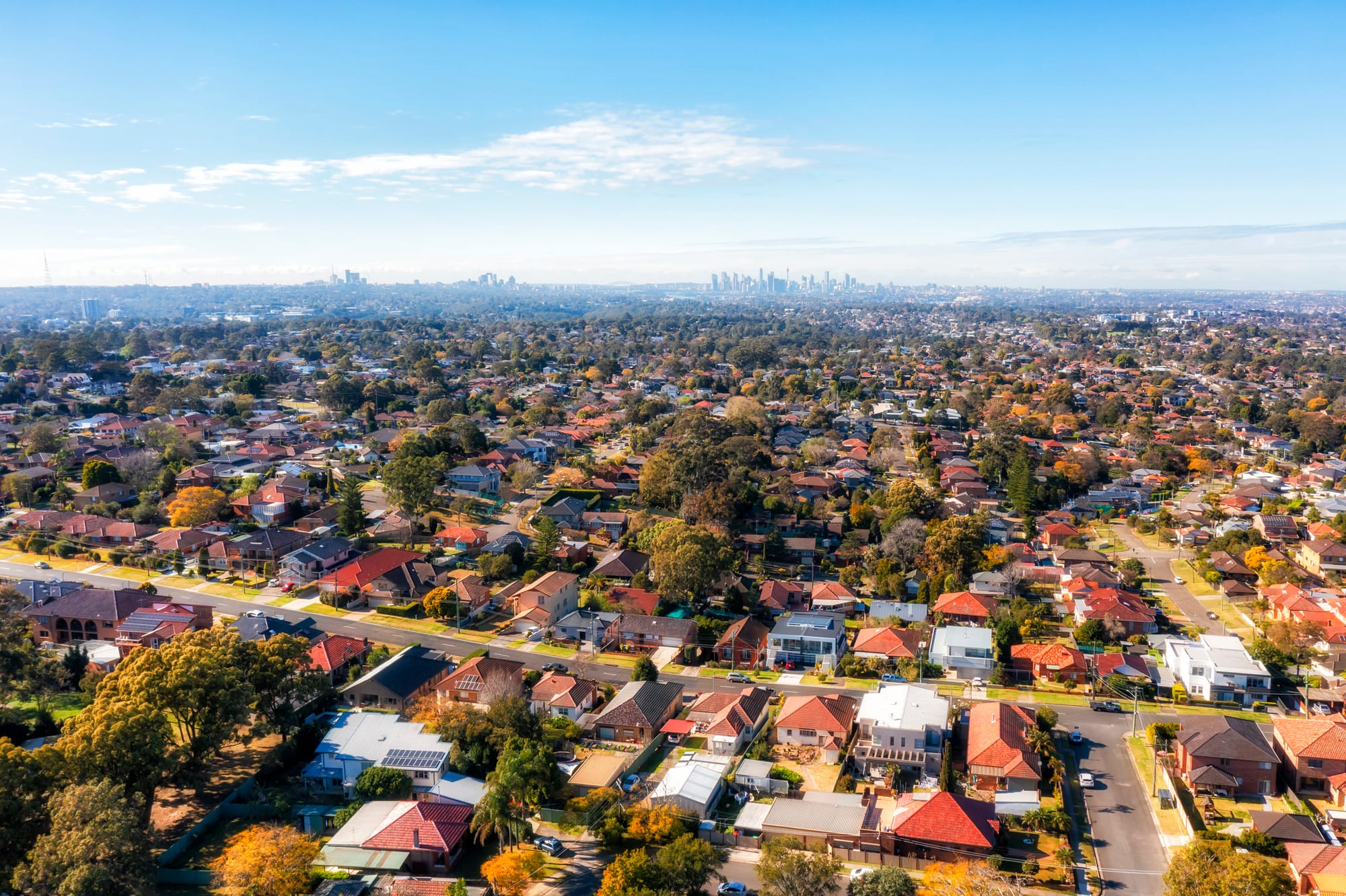
Households will have a big say in shaping Australia's energy future, but our research shows their concerns are frequently missing from the conversation.
We are all used to occasional unplanned electricity outages when WiFi connectivity is lost, we can’t charge our phones and the air conditioning goes off. But unplanned events such as pandemics, geopolitical conflicts, extreme weather events or shifts in policy and regulations are poised to bring new unanticipated disruption and new uncertainties.
Meanwhile, in everyday life people are experiencing growing uncertainties around their future jobs and finances, and are increasingly concerned about their personal and cybersafety in a period of rapid technological advancement.
Increasingly, Australians are being asked to take a more active role in the energy transition by purchasing and driving electric cars, storing solar energy in home batteries, and using and charging energy at times that maximise the abundance of renewable energy.
But these uncertainties compound to make it harder for many Australians to participate in the way the energy sector is proposing.
Listening to Australian households
Our report Foresight for Future Australian Home Life presents six key foresighting values, carefully designed to help Australia’s energy sector plan for our futures, and engage households in realising those futures: trust, control, safety, care, inclusivity and uncertainty.
To develop these values we visited a diverse cohort of 49 people, across 42 households in Australia to investigate what this means in real life. We also drew on the results of a survey with 5000 people from across the country.
We found new uncertainties about household life.
“You're watching the prices of everything increase rapidly. And they keep changing all the rental laws.” - Hannah, renter in Victoria;
“I haven't done any of the smart home stuff yet. Do I want it? I don't know. It's always got fallacies and breakdowns in it.” - William, Victoria.
“With the AI – what happens if that breaks down? Where’s the universe going to be then?” - Diana, Queensland
Uncertainties manifest differently for different people: some people live close to an economic tipping point which will throw them into situations of vulnerability.
In Victoria, Vlastimil, an older person, was just surviving on hand-outs from his daughter, and feared that if she stopped giving him money “I will have to get rid of everything I have and sleep in the car, because, you know, she's the one who is supporting me”.
Neurodiversity, mental health conditions, and physical disabilities also shape people’s relationships to their homes and energy technologies and systems.
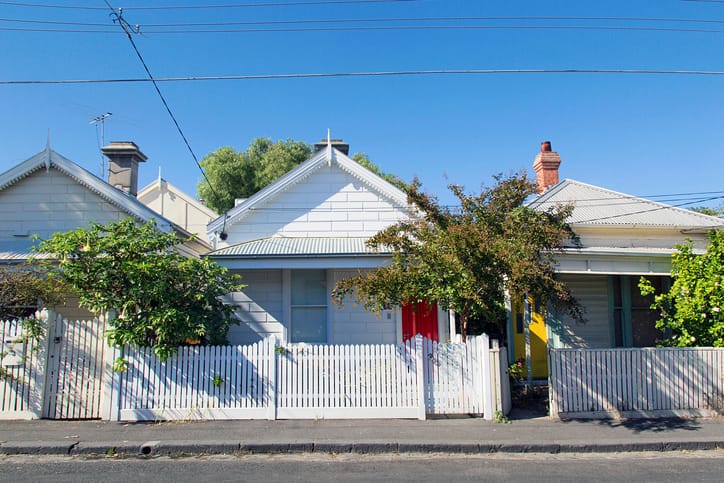
Hannah was worried about the cost of living; for William and Diana smart home systems and electric cars were as likely to break down as they were to make their lives more energy efficient and to keep them safe; and it was hard for Vlastimil who faced his petrol car becoming his home to imagine electric car ownership.
They all face new uncertainties, which make them unlikely to be able to participate in a clean energy transition.
What would help people to participate?
To enable people to trust in situations of uncertainty they need to feel in control.
This means allowing them to use their own proven expertise and judgement to manage their homes and energy systems.
People will mobilise their own resources and knowledge to achieve this in different ways.
“If I had a spare 10 grand, easy, give me 10 grand, and I would illegally install solar panels here until they tell me to take them down and say they're illegally installed. I'd do it.” - Glenn, New South Wales.
“Hoping that we could have a house in two years… making that as environmentally friendly as possible …it’s easy to put solar panels… obviously it’s a cost, but you put them up and then they pay for themselves.” - Alex, Victoria
Glenn and Alex had different experiences and circumstances, but both of them wanted to make their own decisions, within the realms of what they knew was possible.
Safety and care matters for households
Threats to our safety are increasingly posed by climate change, reduced air quality (e.g. airborne viruses, bushfire smoke, indoor allergens), crime and cybersecurity, and the cost-of-living and housing crisis.
We found that people living in self-reported climate risk zones were also likely to be vulnerable to other threats.
On the other side of this coin is the care that people value and prioritise, including care for the environment, the home, for other people and community and for oneself.
Care for themselves and others underpins how people use energy in their homes, for heating, cooling, cooking and laundry, and also impacts on the timing and flexibility of when those activities can be performed.
Yet ways of caring that increase energy use can come into tension with care for the environment.
“If the electricity went out for a week, you couldn’t charge it, couldn’t go anywhere. With petrol, you might still have enough to get places.” - Diana, Queensland, who prefers a petrol car
“It's probably a legitimate concern having to race out in a bushfire in the middle of the night and the car's not charged.” - Andrew, South Australia
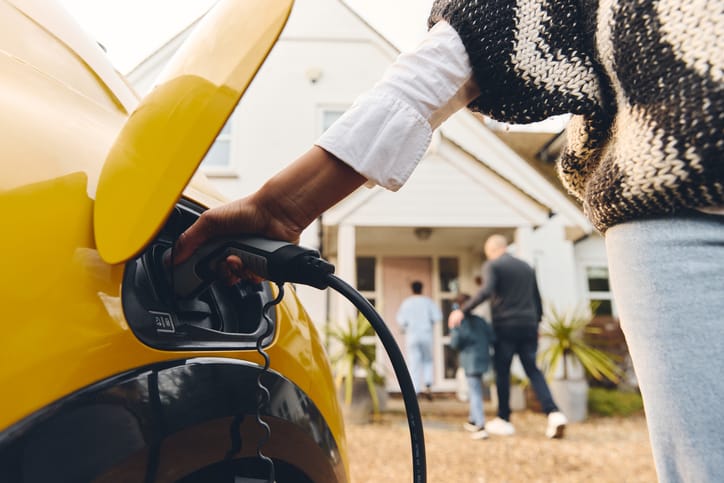
Addressing these concerns and needs in situations where households are incentivised to allow a retailer or another third party to remotely charge and discharge a home battery at a time that best suits the electricity grid (such as through a virtual power plant) will be crucial to enabling trusted and effective outcomes.
Enabling and providing resilient systems, and supporting localised storage and backup options, is therefore critical to ensuring trusted participation in the energy transition.
How can we best plan for uncertain futures?
Our research found living in circumstances of trust, control, care, safety and inclusivity help people to live with uncertainty.
Our starting point is to propose new visions of energy futures where uncertainties are accounted for in ways that:
- Respect the trust that is embedded in everyday life situations.
- Consider how to support people’s need to feel in control.
- Ensure safety and protection from physical and cybercrime and extreme weather.
- Support care for the self, others and environment by delivering systems and services that give people confidence that they will have energy when they need it.
- Are inclusive for everyone living in Australia.
These values are informing a set of energy scenarios for future living as part of our Scenarios for Future Living project.
The values foreground what people are likely to find important in more uncertain futures, whilst also giving the energy sector the tools it needs to plan, adapt and respond today.
Read the Foresight for Future Australian Life Report here.


