

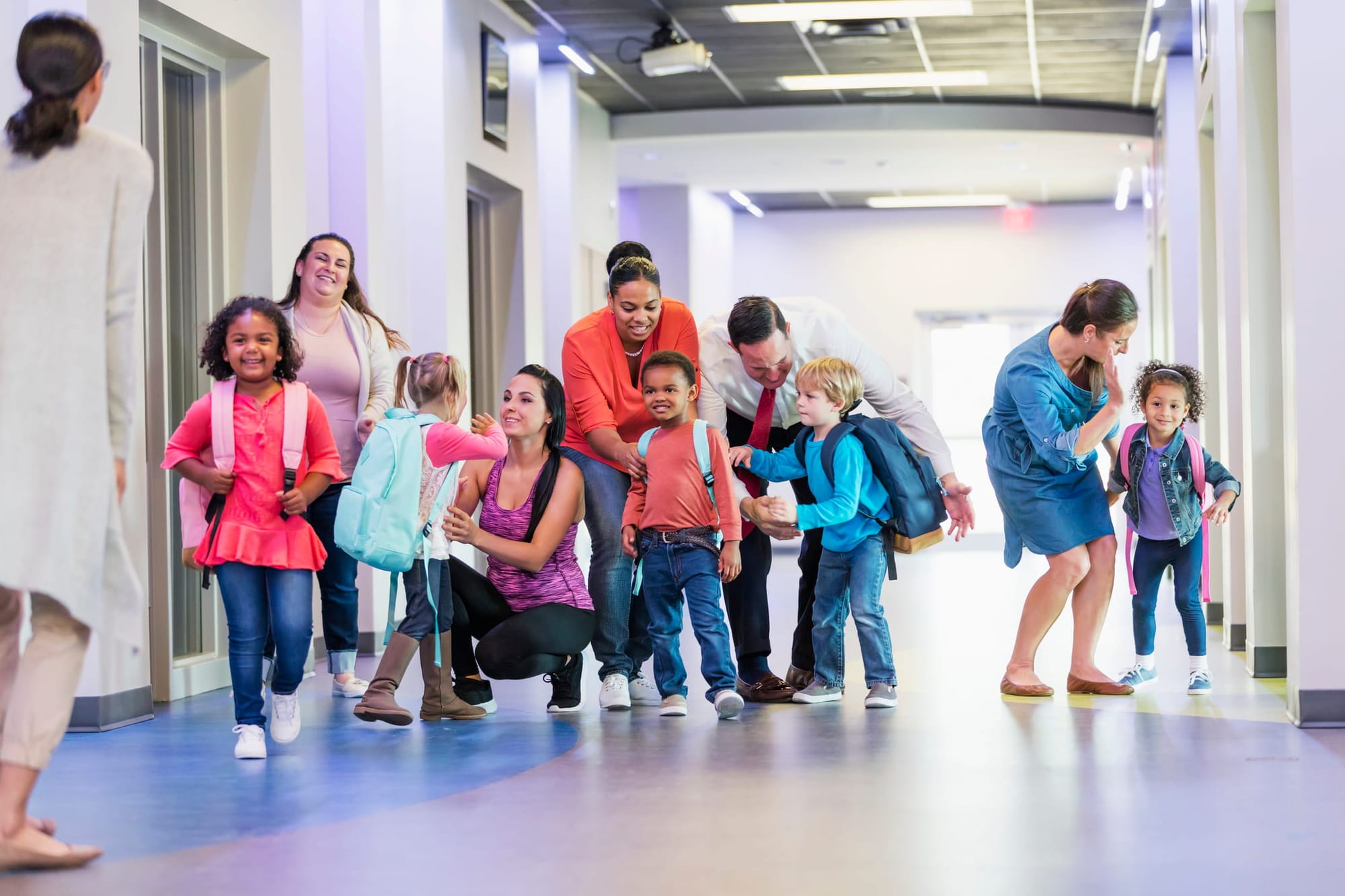
When we think about a child starting kindergarten, we tend to focus on the child. Will they cope? Will they make friends? Will they learn? And will they belong?
But there’s another story unfolding during the early years; one that involves parents, carers and their communities.
The Victorian government’s decision to offer free kindergarten for three and four-year-olds has significance beyond the execution of a major policy commitment.
It opens a door for families who may not have had access to kindergarten if it were not provided for free. It opens a door for their children to begin kinder.
And it opens a door for their families, too, to new relationships, to new friendships and to a new opportunity to build belonging – something that may not have previously existed for them.
The belonging journey begins early
My research with my colleagues on belonging has consistently shown that the roots of belonging form early. Children who develop a strong sense of belonging in educational settings carry that foundation forward, even through to adulthood.
The benefits include improved outcomes for mental health and wellbeing, as well as access to further learning. It’s highly possible that a child who feels they belong at kinder arrives at primary school with a head start in terms of positive feelings about educational environments and relationships with educators.
But here’s what many people overlook – a child's sense of belonging doesn’t develop in isolation. It can be influenced by the relationships surrounding them. When parents feel like they belong to a place or social groups, it shows children that belonging is possible.
Parents finding their people
Free kinder removes a financial barrier, yes, but more importantly, it removes a psychological one as well. Families who might have struggled to participate within their local community can now do so.
For many parents, this is a unique opportunity. Parenthood can be lonely. People relocate. Friendships can drop away due to family responsibilities. Joining kinder becomes almost like a social milestone for families, a unique time in adulthood where new ways of belonging can become possible.
There’s no guarantee parents will feel comfortable or make friends. But without access, there’s much more to lose.
I’ve spoken with many parents over the years who describe school as lonely and awkward. They feel like outsiders looking in on friendship groups that formed before they arrived.
Kinder offers something different. Everyone is new. Many will feel hesitant or uncertain. The social playing field is level in a way it rarely is later.
Free kinder means more families can access this community. Drop-off and pick-up conversations, playdates and shared celebrations offer small touchpoints that can accumulate into lifelong friendships.
Time as a resource for belonging
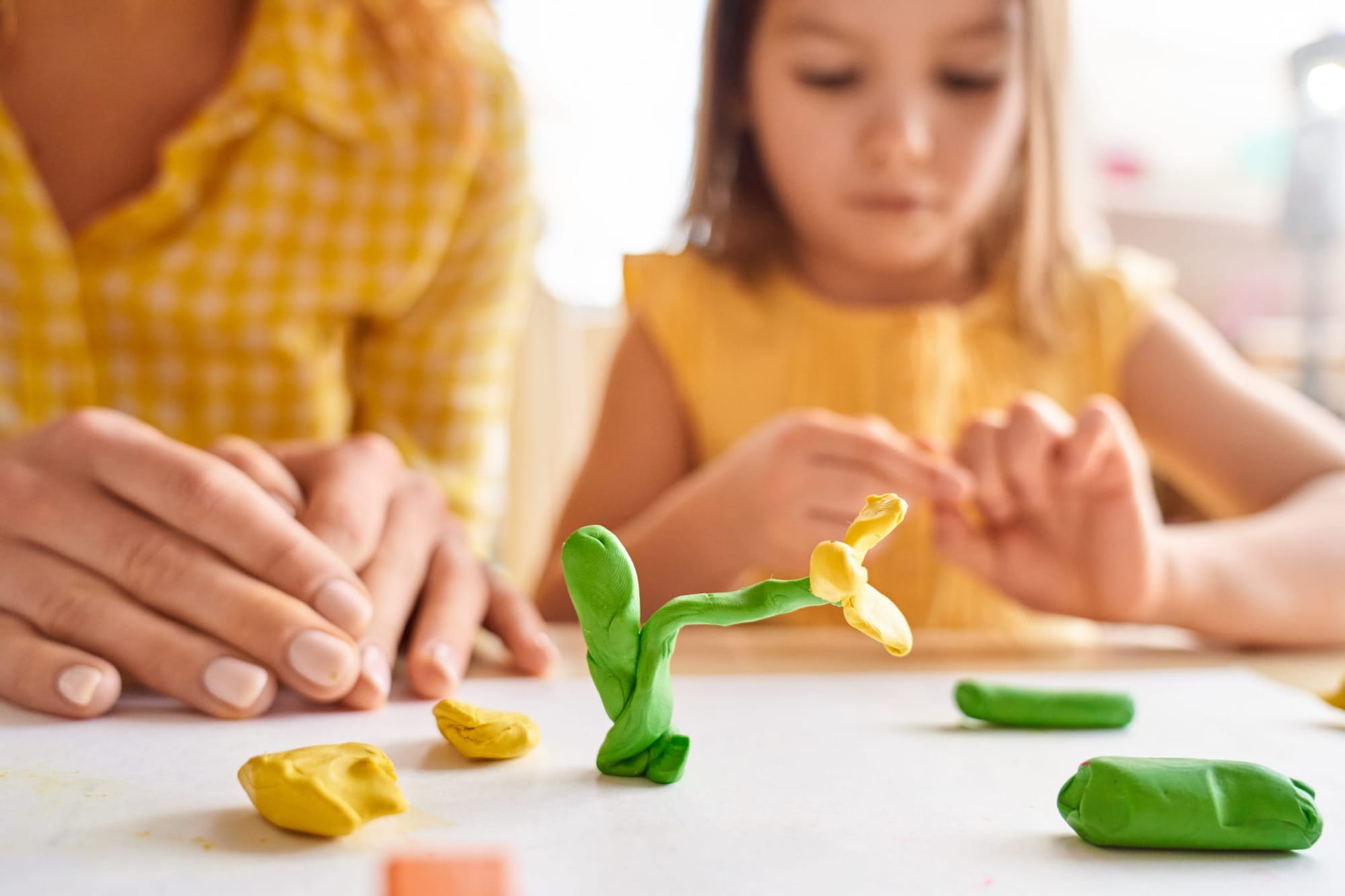
When children spend time in quality early-learning environments, and experience all the social and cognitive benefits that affords, parents gain something that can’t be measured in economic terms alone.
They gain time. Time to work, certainly. But also time to study or pursue their own development. Time to invest in their own adult relationships. Relationships at work, or through hobbies and personal activities. The gym. A phone call with an old friend.
However, I’m cautious about framing early-childhood education purely in terms of parental benefits. The reality remains that many parents feel stretched. They want to be present for their children while also maintaining their own identities, relationships and aspirations, whether career-based or personal.
Free kinder doesn’t solve this tension, but it eases it.
What educators can do
The Victorian Early Years Learning and Development Framework identifies belonging as central to children's learning and development. This gives educators permission, even an obligation, to prioritise belonging alongside learning outcomes. And not just for children – for their parents, too.
Most educators understand what builds belonging for children – feeling welcomed, valued and included; having predictable, safe spaces; seeing themselves reflected in the environment.
Children need educators who notice them, who use their names, who remember things about them. Their preferences. Their interests. The things they share in common with others.
But educators can also shape parent belonging. A warm greeting. Proactive conversations that are not only about problems. Creating opportunities for parents to contribute their skills and knowledge. Inviting them to participate in the kinder community in ways that feel meaningful.
The bigger picture
Free kinder represents an investment in community at a moment when many Australians report feeling disconnected and lonely. It recognises that the first five years of a child's life shape not only their brain development, but their social development. And it acknowledges that families, not just their children, also stand to benefit.
If you’re a parent or caregiver considering enrolling your three or four-year-old in free kinder, consider it an opportunity for your child, absolutely. But also, as an opportunity for you.


