

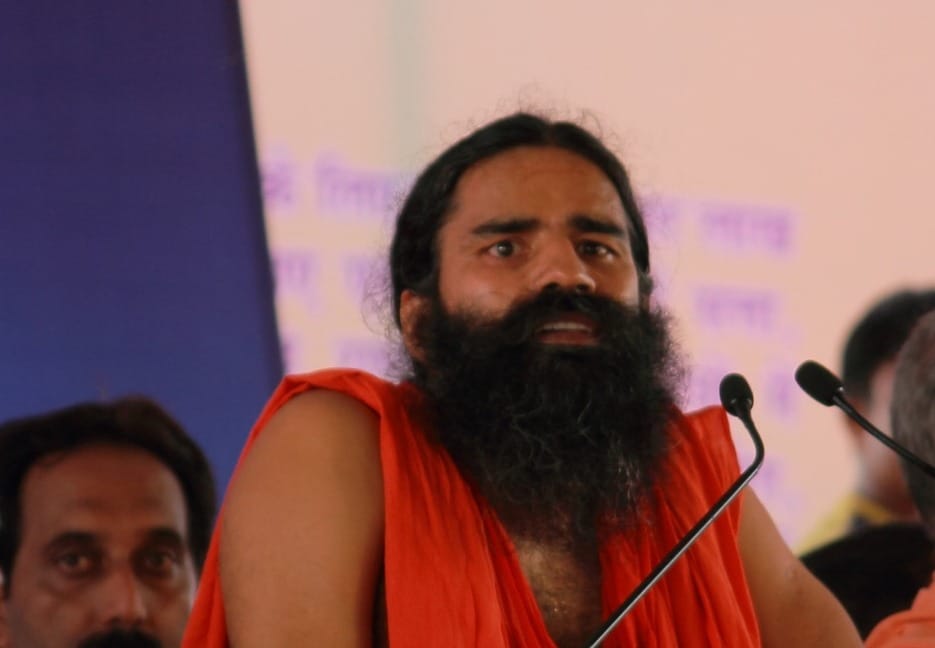
What happens when a yoga guru becomes a business tycoon – and uses his brand to shape not just what people buy, but what they believe?
In India, Baba Ramdev (below, right) has built more than a business empire. Through his company Patanjali, which sells everything from Ayurvedic remedies to kitchen staples, he’s crafted a movement anchored in cultural pride and calls for economic self-reliance. His message is simple: Buy local, boycott foreign.
But what’s at play here goes far beyond clever branding.
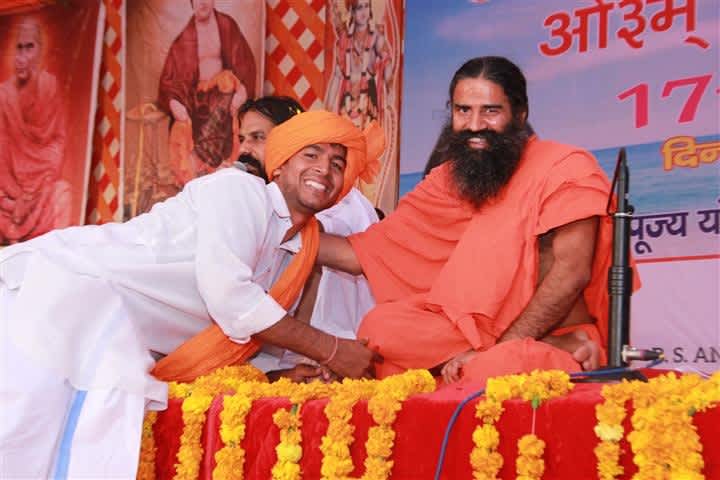
In our latest study published in the Journal of Business Ethics, we look at how business leaders such as Ramdev use populist ideas, ones more commonly seen in political speeches or protests, to shape how we consume. We call this consumption populism.
At its core, this is about turning everyday choices such as which soap you buy into acts of nationalist duty. It’s about using the logic of “us versus them” to draw a cultural line between the people and the so-called outsiders, and then selling products built on this “otherised” politics.
Populism in the supermarket aisle?
We explored this by analysing thousands of tweets, advertisements, and speeches from Ramdev and his company Patanjali, alongside media archives and Hindu-nationalist publications.
Our findings led us to a new concept, consumption populism, where business leaders create a consumer identity, “the people”, not through policies, but through consumption.
By contrasting local versus foreign, pure versus impure, and pride versus shame, Ramdev invites consumers to feel like national heroes every time they pick up a product.
So, what did we actually find?
We identified a three-stage process through which business leaders turn consumption into a populist act:
- Otherisation This involves drawing sharp lines between “us” and “them” – framing foreign goods, Western medicine, or multinational corporations as threats to national purity or local values.
- Homogenisation Here, internal differences (such as caste, class, or regional identities) are flattened into one imagined cultural unity. Consumers are encouraged to see themselves as part of a singular, national “people”.
- Hegemony Over time, this narrative becomes dominant. The idea of what a “true” consumer looks like is shaped not by preferences or needs, but by political and cultural loyalty.
These are played out through three powerful practices:
- Emotionally-charged messaging, especially using pride and outrage.
- Spectacles, such as mass yoga events or viral social media campaigns.
- Impossible demands, such as expecting consumers to view shopping decisions as patriotic acts.
Why it matters
At first glance, this may seem like clever marketing. But as we show, it raises important ethical questions. When brands play on national pride and cultural purity, who gets excluded? Whose identity is left out?
Our paper also opens the door to imagining a better alternative – a non-exclusionary populism, one that invites people into collective pride without pushing others out.
The bigger picture
Today, identity is sold as much as soap – and brands are no longer just selling products, but world views.
Populist business leaders such as Baba Ramdev and Elon Musk operate in different worlds, but they share a common playbook –mobilise the public using emotionally-charged narratives, position themselves as disruptors, and frame their brand as a movement rather than a business.
Whether it’s Ramdev rallying for “Swadeshi pride” or Musk tweeting against “woke” culture and global institutions, both turn consumption into a symbolic act. Buying a Patanjali product or a Tesla isn’t just a purchase – it’s a statement of identity, belonging, even rebellion.
What our study shows is that this blending of populism and consumption isn’t just a fringe phenomenon; it’s becoming central to how modern markets operate. Brands no longer just compete on price or quality, but on who the “the people” are they speak for.
By naming this logic — consumption populism — we hope to spark critical conversations about how markets are shaped, who gets included or excluded, and how business ethics must evolve in this new era.
Read the full paper in the Journal of Business Ethics: Consumption Populism: How Business Leaders Use Populist Logic to Shape Consumption.


