

Estonian company Skeleton Technologies recently opened a €220 million (A$380 million) supercapacitor factory in Germany, a bold vote of confidence in a technology that’s reshaping how energy is stored and delivered.
The investment signals that the world is betting big on supercapacitors – devices that can discharge huge amounts of power almost instantly, last millions of cycles and work alongside batteries in applications where speed, safety and durability matter most.
This moment matters. Electric vehicles, renewable grids and industrial automation are placing growing strain on conventional batteries, especially in high-power, fast-response settings. Rather than replacing batteries outright, supercapacitors are emerging as a powerful complement, filling critical gaps where batteries struggle.
The sprinters of energy storage
If batteries are the long-distance runners of energy storage, supercapacitors are the sprinters. They deliver rapid bursts of power, absorb sudden surges and protect batteries from stress and degradation. In many systems, they’re already quietly keeping the lights on.
Now, they’re being used in an increasing number of applications. This isn’t a futuristic idea.
For instance, some cities in Europe and China already operate supercapacitor-powered bus fleets. These buses charge in minutes at designated stops, often in the time it takes passengers to board, eliminating the need for large onboard batteries. They’re cheaper to maintain, highly reliable and particularly wel- suited to dense urban routes with frequent stopping and starting.
Read more: Battery-up: Climate change is essentially an energy challenge
Supercapacitors also address several challenges that are especially relevant for Australia. Importantly, they’re much safer because they don’t suffer from thermal runaway or catch fire. This is critical, given the rapidly growing number of lithium-ion battery fires every year, with a new inquest being held in NSW.
They perform reliably in hot conditions where batteries degrade more quickly or can’t work at all. They’re also greener, avoiding problematic metals such as cobalt, nickel and lithium that come with complex supply chains and environmental costs.
Global investment is on the charge
Globally, research and development in supercapacitors is accelerating. Companies across Europe, the US and Asia are investing heavily in next-generation materials and designs because modern energy systems demand both high energy and high power. Electric vehicles need fast acceleration and rapid charging. Industrial robotics and data centres require instant power on demand. Renewable grids must respond in real time to fluctuations caused by weather.
Batteries are optimised for storing energy over long periods, not for delivering sudden, high-power output. Without supercapacitors, batteries are forced to do everything, from steady daily supply to intense power surges, which accelerates wear, reduces efficiency and shortens lifespan.
Imagine a factory running on solar power. A cloud passes overhead and generation drops suddenly. Without a supercapacitor to respond instantly, the battery struggles to keep up. Equipment can stall, systems are stressed and costs rise.
Supercapacitors step in during these moments, taking the strain and allowing batteries to do what they do best.
Overcoming the limitations
Until recently, adoption has been limited by two key constraints. Supercapacitors store much less energy than batteries – about 20 to 30 times less – and they can be bulky. That equation is now changing.
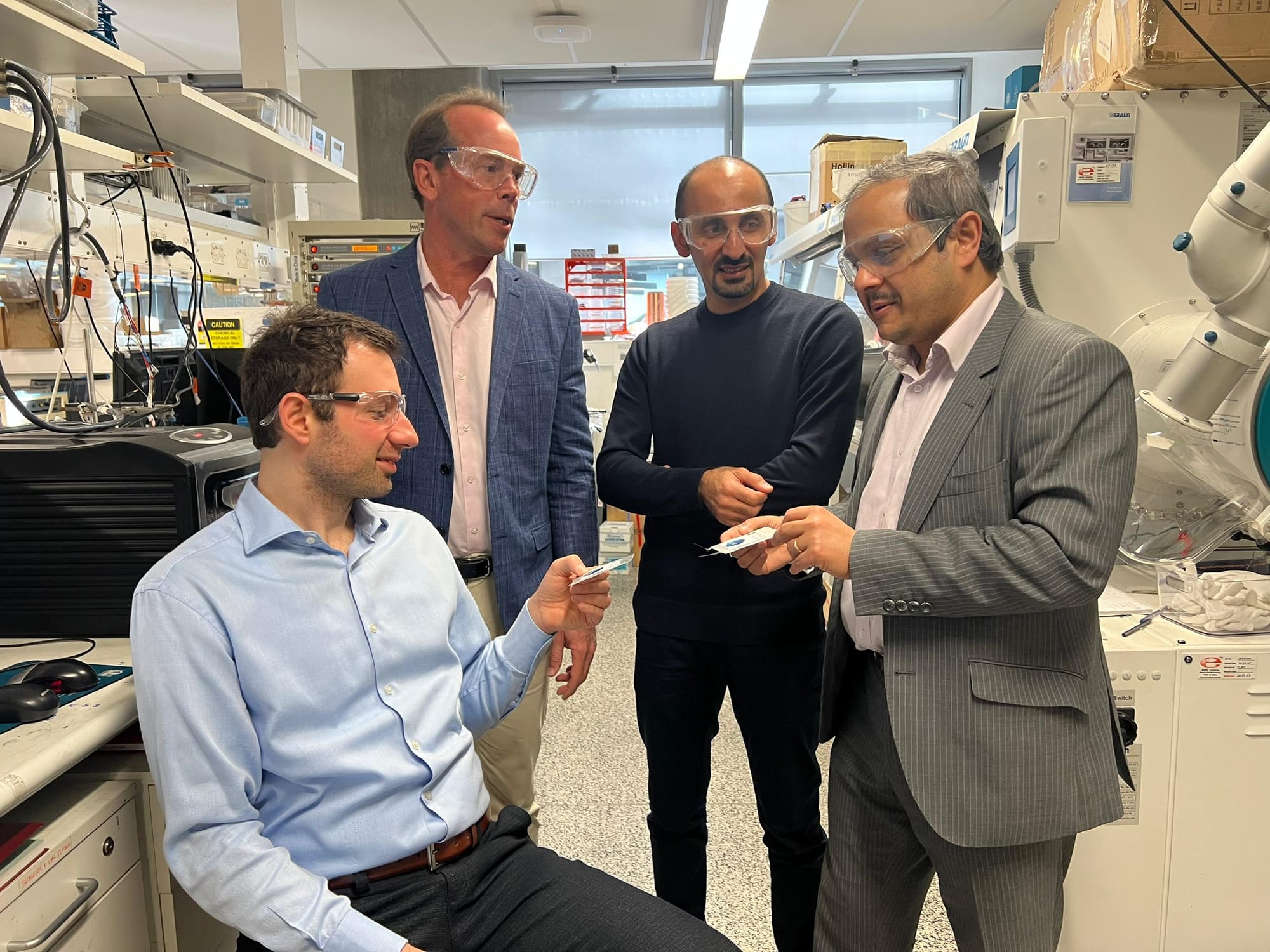
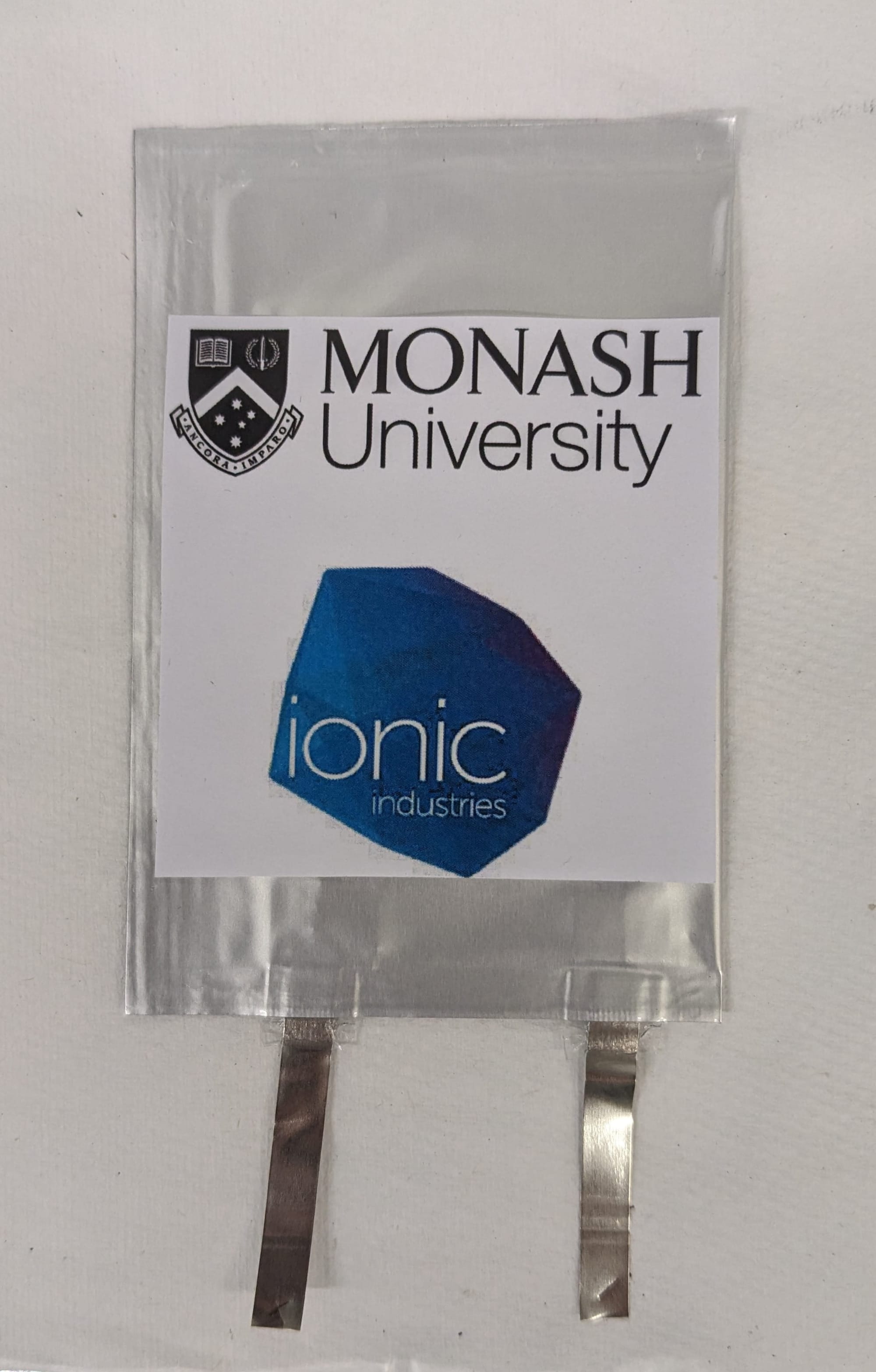
A new type of graphene-based supercapacitor developed at Monash University achieves record-breaking energy and power densities, five to 10 times higher than existing technologies, and has already been demonstrated in pouch cells suitable for real-world products.
Unlike conventional batteries, which force a tradeoff between energy and power, this technology can charge and discharge in seconds, operate across a wide temperature range, and maintain near-endless cycle life.
When integrated into hybrid systems, these supercapacitors reduce battery stress, extend operational lifetimes and lower replacement costs, delivering both economic and environmental benefits.
Sell, or invest in sovereign capability?
The implications for Australian industry are significant. The real question is whether we continue to sell our intellectual property without even considering the potential for commercialisation, or whether we invest in building sovereign capability to manufacture and scale these technologies locally.
With abundant critical minerals such as graphite and world-class research expertise, the opportunity is clear.
While Europe and the US invest billions, Australia has a real chance to lead in high-performance, next-generation energy storage technologies, turning raw materials and research excellence into globally-competitive products.
According to renowned economist Nicholas Stern, the global energy transition is the economic growth story of the 21st century. The green economy is already worth about US$5 trillion and continues to grow.
The choice facing Australia is whether we watch from the sidelines or invest boldly and wisely in innovative energy storage technologies that give us a stake in that future.
Supercapacitors will not end batteries, but they will supercharge the systems that power our cities, industries and clean energy transition.


