

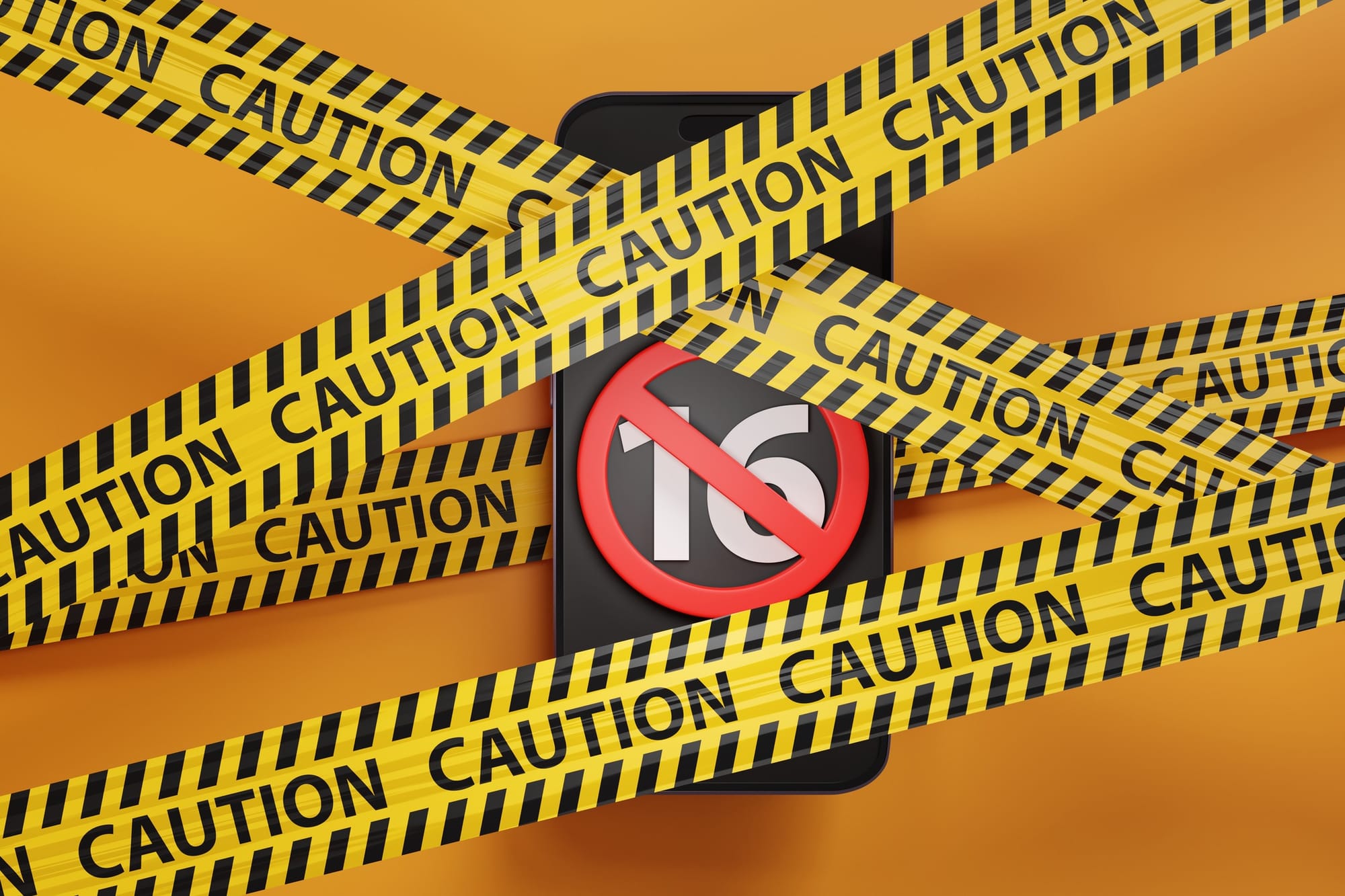
The federal government’s decision to ban under-16s from social media just as they’re about to start the long summer holidays, and only a couple of weeks before Christmas, is cruel. And the significant harm that this ban will cause will be disproportionally felt by already marginalised, vulnerable youth, including LGBTIQA+ young people.
On 10 December, LGBTIQA+ youth were cut off from online spaces that have been their only source of safety and understanding, and where they can find connection and a sense of belonging.
In a misguided attempt to protect children, the Australian government has severed digital lifelines that link thousands of young people to affirming communities, support networks and mental health resources. For queer youth, rather than being a season of joy, this time will be one of isolation and loneliness.
World's first ban on social media for under-16s comes into effect in Australia - follow live https://t.co/kMydjfRT0A
— BBC Breaking News (@BBCBreaking) December 9, 2025
To appreciate the potentially dire consequences of this ban, imagine a young LGBTIQA+ person in a rural or remote part of Australia, who has not yet come out to their family, or one who did bravely come out, only to face rejection by their parents. They will suffer enormous anxiety as they struggle through the festivities, unable to be themselves in their own home.
The one refuge they can turn to is social media, where they can connect with people who understand them, are like them and accept them for who they are. But now they are in a digital exile, where such connection is not available to them, and they feel a profound sense of isolation, cut off from the people who can support them and remind them that they’re not alone.
The cruelty of the social media ban is compounded by the Australian government's conspicuous failure to invest in offline, in-person supports for LGBTIQA+ youth, leaving a gaping void where vital lifelines once existed.
While digital platforms are undoubtedly flawed, they also serve as indispensable hubs for peer connection, emotional support, self-expression and identity affirmation.
I understand the drawbacks of youth social media use, but I feel bad for the teens who built real online friendships & communities, found acceptance as LGBT, sought sexual health info, etc.https://t.co/4hII23fzGb
— Liz Highleyman (@LizHighleyman) December 9, 2025
No funding has materialised for expanded youth centres, queer support services or nationwide helplines tailored to regional and rural needs.
Australia is in the grip of a moral panic about young people on social media. It’s been argued that excessive screen time, algorithmic targeting and addictive design are causing an epidemic of anxiety, depression and body image issues.
However, the evidence linking increases in poor mental health in adolescence with smart phone use is weak, and appears to be more correlative than causal. Social media may just be a convenient scapegoat, rather than the root cause of the rising rates of poor mental health.
Moral panics lead to poor policy decisions. The government, in its haste to protect children from the perceived threats that lurk on social media, has introduced a blanket ban that has been described as “rushed and reckless”.
“... we need to shift from protecting children from the digital world, to protecting them in the digital world.”
It fails to address the complex and contested place of social media in young people’s lives, and to appreciate the vital role it plays in the lives of queer and other marginalised youths, in terms of building community, reducing social isolation and enabling self-expression.
We know from history that prohibitions don’t work; they drive behaviour underground. The social media ban is likely to attract criminal and unsavoury characters who will relish the opportunity of preying on precarious teens who are now in an online space completely devoid of rules and regulation.
We need a considered and nuanced response that regulates, rather than removes, social media from young people’s lives.
Hundreds of children die by drowning, but we don’t ban swimming. Instead, we teach kids to swim and regulate that activity to make it safer – for example, by requiring fences around pools and people to swim between flags at beaches.
A similar response is required to social media. We need to shift from protecting children from the digital world, to protecting them in the digital world.
Australia has become the first country to ban social media for under-16s, but the move raises serious free speech issues and risks creating a digital black market with harmful ...#SocialMediaBan #ChildrensRights #FreeSpeech #auspol #DigitalPolicyhttps://t.co/4KJ3gZh3AP
— Pearls and Irritations (@johnmenadue) December 9, 2025
The social media ban violates numerous human rights that are set out in the UN Convention on the Rights of the Child (CRC) – which Australia ratified in 1990) – including:
- Right to be heard: Children have the right to express their views in all matters affecting them (Article 12). There’s no evidence that the federal government consulted youth ahead of enacting the social media ban that directly targets them, and it appears no youth were invited to co-design social media restrictions.
- Right to information: Children have the right to receive and impart information and ideas through the media of their choice, which includes social media (Article 13).
- Freedom of association: Young people have the right to meet and join groups, which includes association in digital environments (Article 15). The sweeping ban violates the right of young people to communicate with those people they wish to connect with and in the way in which they want to connect.
- Right to privacy: The way that access to social media is now enforced through identity verification requires intrusive data collection and surveillance of young people, and likely violates Article 16 of the CRC.
- Non-discrimination: The ban appears likely to disproportionately harm particular groups of children, including queer youth and other marginalised adolescents, who rely more heavily on online communities and resources. Taking away critical support and community from these children may amount to indirect discrimination under Article 2 of the CRC.
The UN committee charged with monitoring implementation of the CRC is well ahead of the Australian government, having published, in 2021, a general comment on children’s rights in the digital environment. It doesn’t appear that this important international document was considered at all by the Australian government when coming up with the idea of a blanket social media ban.
Given the plethora of problems and rights violations associated with the new social media ban for under-16s, the government must return to the drawing board.
A perfect Christmas gift to queer youth would be to engage in genuine consultation with diverse young people and co-design a rights-respecting regulatory response – one that truly improves mental health in equitable, safe ways and protects them in the digital world rather than banishing them from it.


