

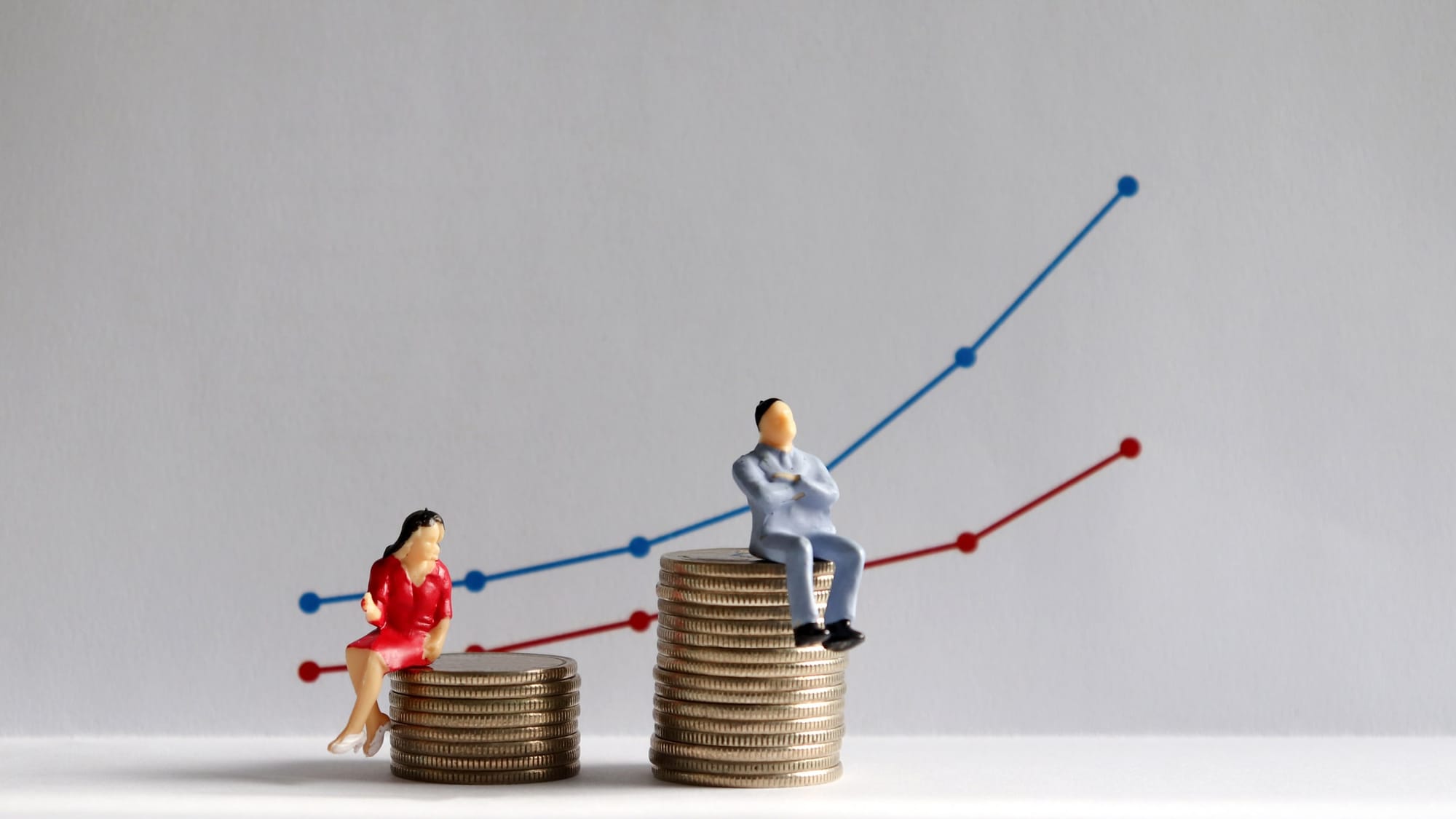
Iceland is often hailed as a global success story in tackling gender inequality. It’s led the World Economic Forum Global Gender Gap Index for 15 consecutive years and is often cited as a “paradise for women”. But beyond the media headlines and ranking tables there’s another very different story.
My research shows that Iceland features many of the same patterns of gender inequality as Australia – a persistent gender pay gap, gender workforce segregation, and mothers taking on the bulk of unpaid care work.
Despite years of government action to close the gender gap in the workforce, Iceland still has a significant pay divide, and it’s growing. Data from Statistics Iceland shows the gender pay gap in the year 2024 was 10.4%, up from 9.3% in 2023 and 8.6% in 2022.
To put this into perspective, Australia’s 2024-25 Gender Equality Scorecard put the gender pay gap at 21.1%.
Iceland does have a high rate of female workforce participation – in 2024 it was 70.3%, while in Australia it was 62.4%. But, just as in Australia, Icelandic women are more likely to work in the fields of administration, healthcare and education, a phenomenon known as gender workforce segregation.
Also mirroring the Australian case, Icelandic women are more likely to be working part-time than men. In 2023, 68% of Icelandic mothers were working full-time compared to 96% of fathers.
The main reason women in Iceland work part-time is to balance paid work with their unpaid care duties. Icelandic women undertake the bulk of childcare care, including taking on the lion’s share of the “mental load”, which is the unseen mental chores in the household, such as general organisation and budgeting.
Iceland has instituted policies that encourage shared parenting and support mothers’ return to the workforce, such as six months of parental leave for each parent and the provision of subsidised preschool for children from the age of one until they start school at six years.
Growing expectations for mothers
Despite these measures, recent survey results show that societal expectations that mothers should take primary responsibility for care are not only strong in Iceland, but are growing.
A phenomenon called “intensive parenting” dictates that mothers – and only mothers – are central to ensuring the wellbeing and thriving of children. Mothers should be constantly available for, and focused on, their children.
Intensive parenting promotes the idea that care from fathers and extended family members is less than ideal.
Although a large portion of Icelandic mothers combine paid work and caring for their children, this comes at a cost. Research shows that although preschool is widely used, with about 97% of children attending, the majority of mothers feel guilty about sending their children to preschool.
Read more: How are Australian women scoring on health, wealth and wellbeing?
Survey results also show that many mothers feel guilty for not picking their children up early enough from preschool, or even for enjoying their time at work.
While Icelandic mothers feel guilt about working long hours and not being constantly available and engaged with their children, the same is not true for fathers. Women tended to make judgments on themselves for the effects their working had on their role as mother, while fathers didn’t feel guilty for the fact that working decreased the time they could devote to parenting.
This difference in the expectations of how much time and effort mothers and fathers should devote to their parenting role is what drives the gendered differences in working hours and industries.
Just as in Australia, Icelandic women are more likely to work fewer hours in sectors where flexible working arrangements allow them to more easily combine work and care.
What this means for Australian gender equality efforts
The care story of Iceland is important to understand, because its gender equality policies are often held as an example for other nations to follow. These policies, however, aren’t effective as they appear on the surface.
Understanding why there’s a gap between Iceland’s reputation for gender equality and the reality of the situation means looking into what the Global Gender Gap actually measures.
The index focuses on statistics that can be easily measured and counted across four areas – economic participation and opportunity, educational attainment, health and survival, and political empowerment. How care is distributed according to gender isn’t included.
The Icelandic case shows us the flaws in gender equality measures that don’t account for the way in which societies have very different expectations of women and men in terms of care.
When “the gender care gap” is one of the artefacts measured, it highlights the gendered division of care that is the main driver of the gender pay gap.


