

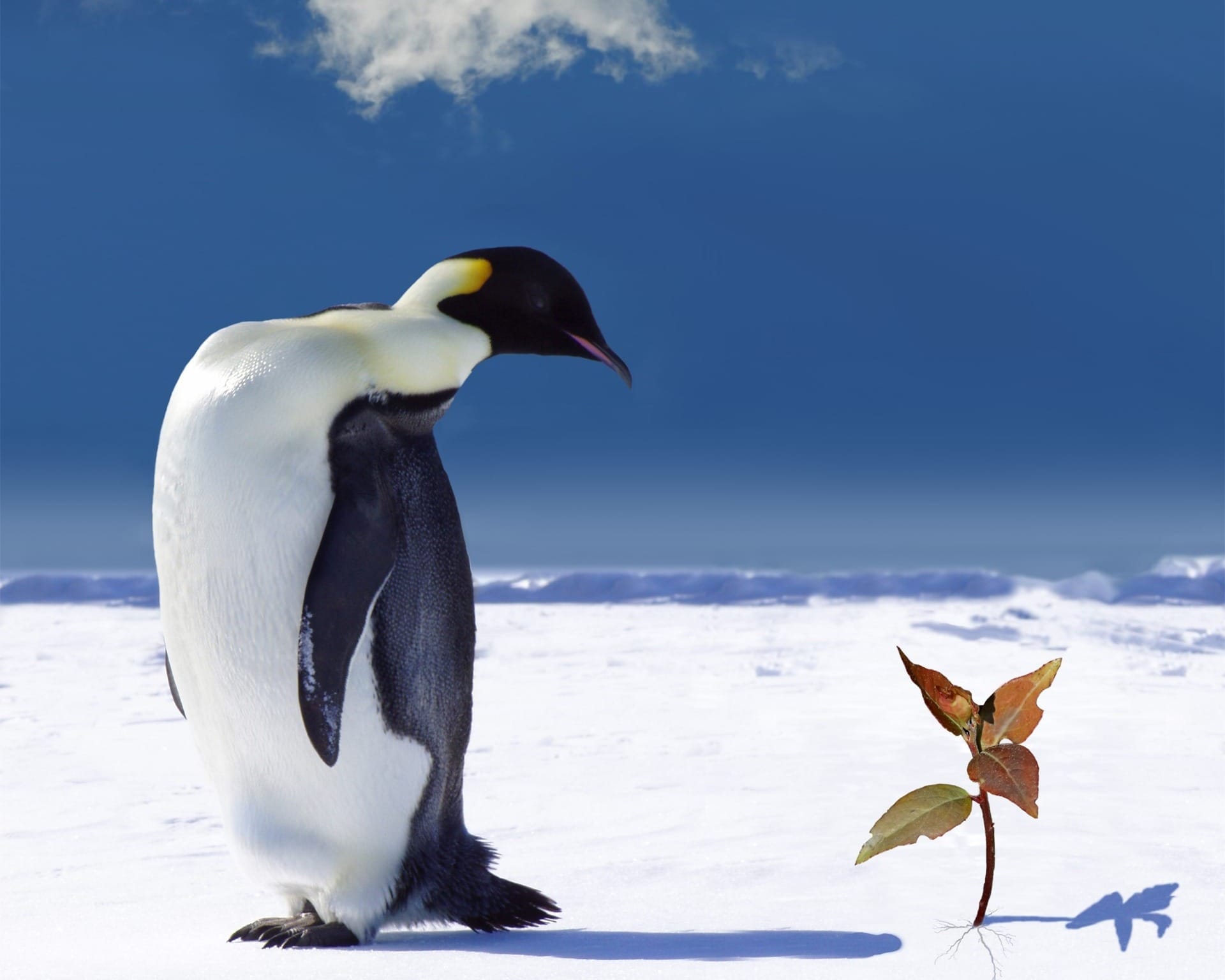
Imagine an Antarctica covered in shrubs and grasses, or, scattered with the skeletons of birds, seals and dead moss banks. Imagine it covered with lakes and rivers, or perhaps even a continent on fire.
One of the most pressing questions facing humanity is what life will look like in 50 or 100 years, be it at home or in the Antarctic. Faced with increasing droughts, floods, fires and other extreme events, it’s easy to be overwhelmed by the uncertainty of what will it look like.
Fortunately, advances in ecology and biodiversity science mean we know that endless possibilities are not likely and that we can in fact narrow the possible outcomes down to just a few.
Why worry about Antarctic life in the first place?
While the continent may seem species-poor, it’s teeming with life of different kinds. Penguins, albatross and seals, we know. But there are more than 2000 kinds of plants and animals, many lichens, mosses and countless fungi and bacteria. Many are microscopic and live in the soil, such as nematodes, mites, water bears and springtails.
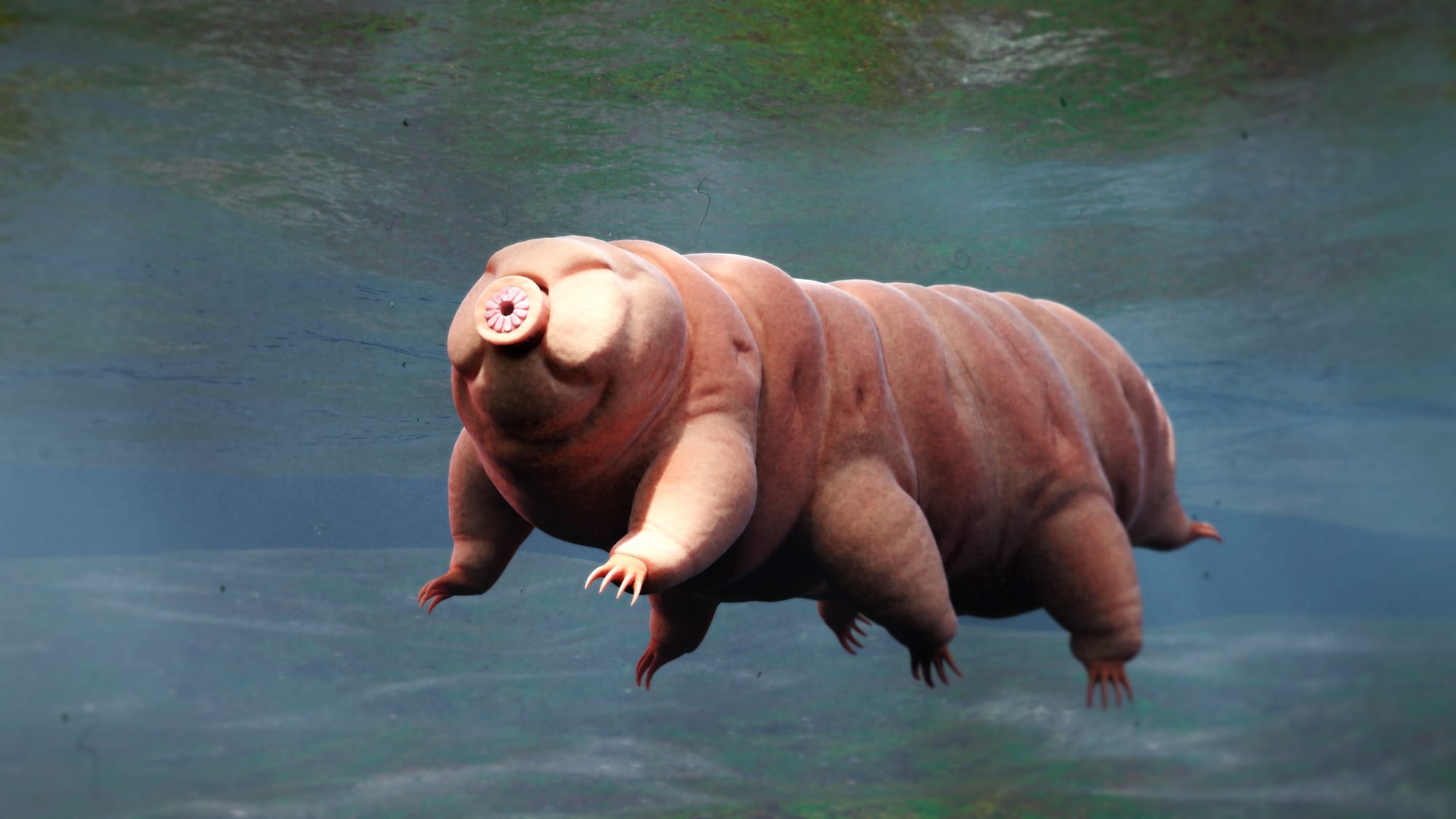
The region's birds are irreplaceable and more unique than anywhere else on Earth. Humans have brought along new species, too, such as annual bluegrass and the flightless midge. Famously, Antarctic bacteria are able to produce their own energy and water.
Antarctica’s unusual biodiversity has much to teach us about life on Earth.
In this research, we used a set of universal ecological processes and integrated evidence for how these play out in the Antarctic context. Using this approach, we formulated five possible futures for Antarctic biodiversity and ecosystems – constrained, disordered, dynamic, diversifying, and interactive.
Green Antarctica
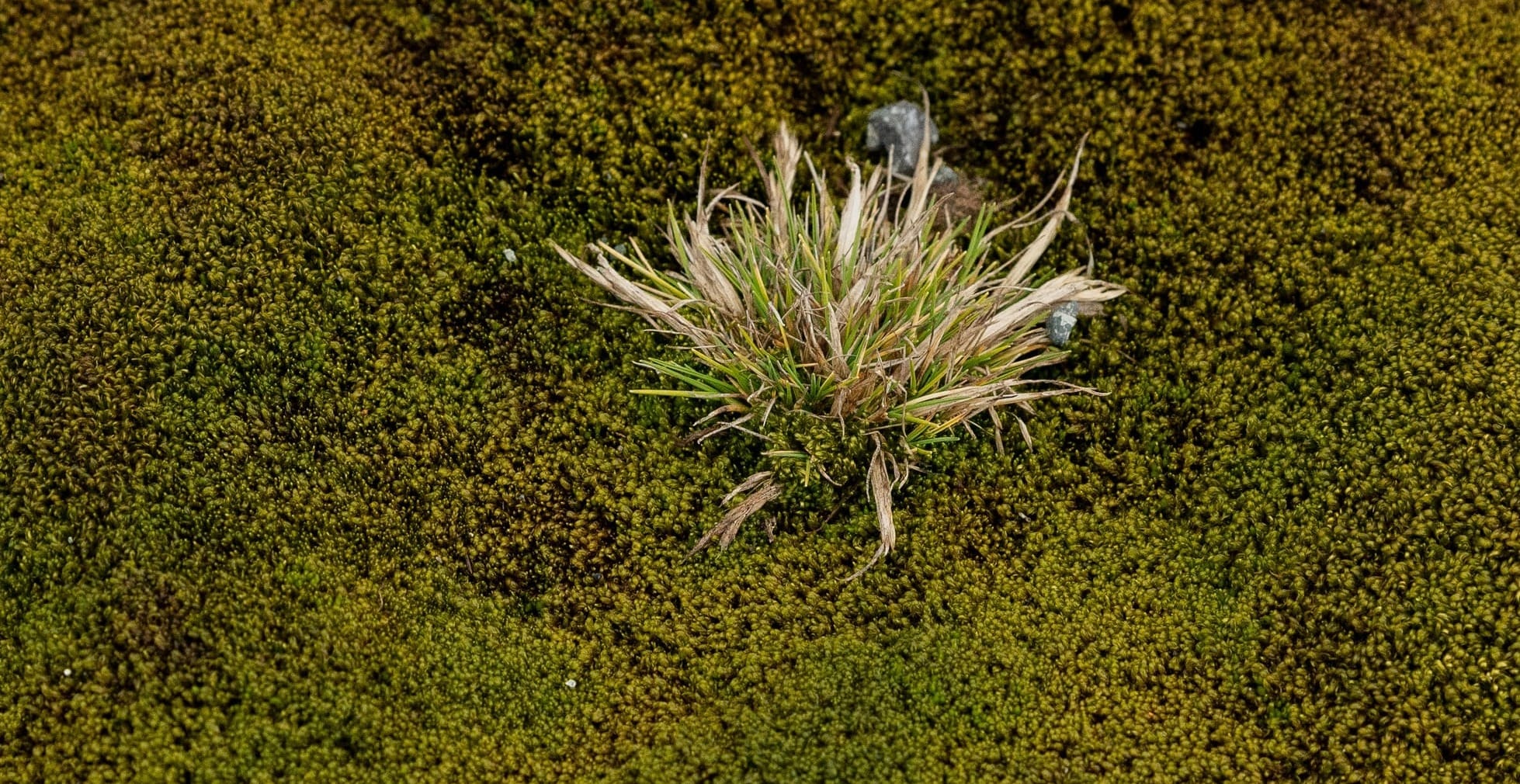
In this well-supported, “constrained” scenario, life on the continent continues to be limited by harsh environmental conditions. Even with warming temperatures and increased ice-melt in some regions, the cold temperatures, ice and low-nutrient soils will stay challenging for survival, growth and reproduction.
Nonetheless, some mosses, algae and other species already there will grow and expand more quickly under these new conditions, turning landscapes increasingly green.
Brown Antarctica
In this dystopian, but plausible potential future for biodiversity for the region, extreme events – heat waves, floods and diseases – decimate the local biodiversity that has evolved to survive Antarctica’s cold and dry conditions.
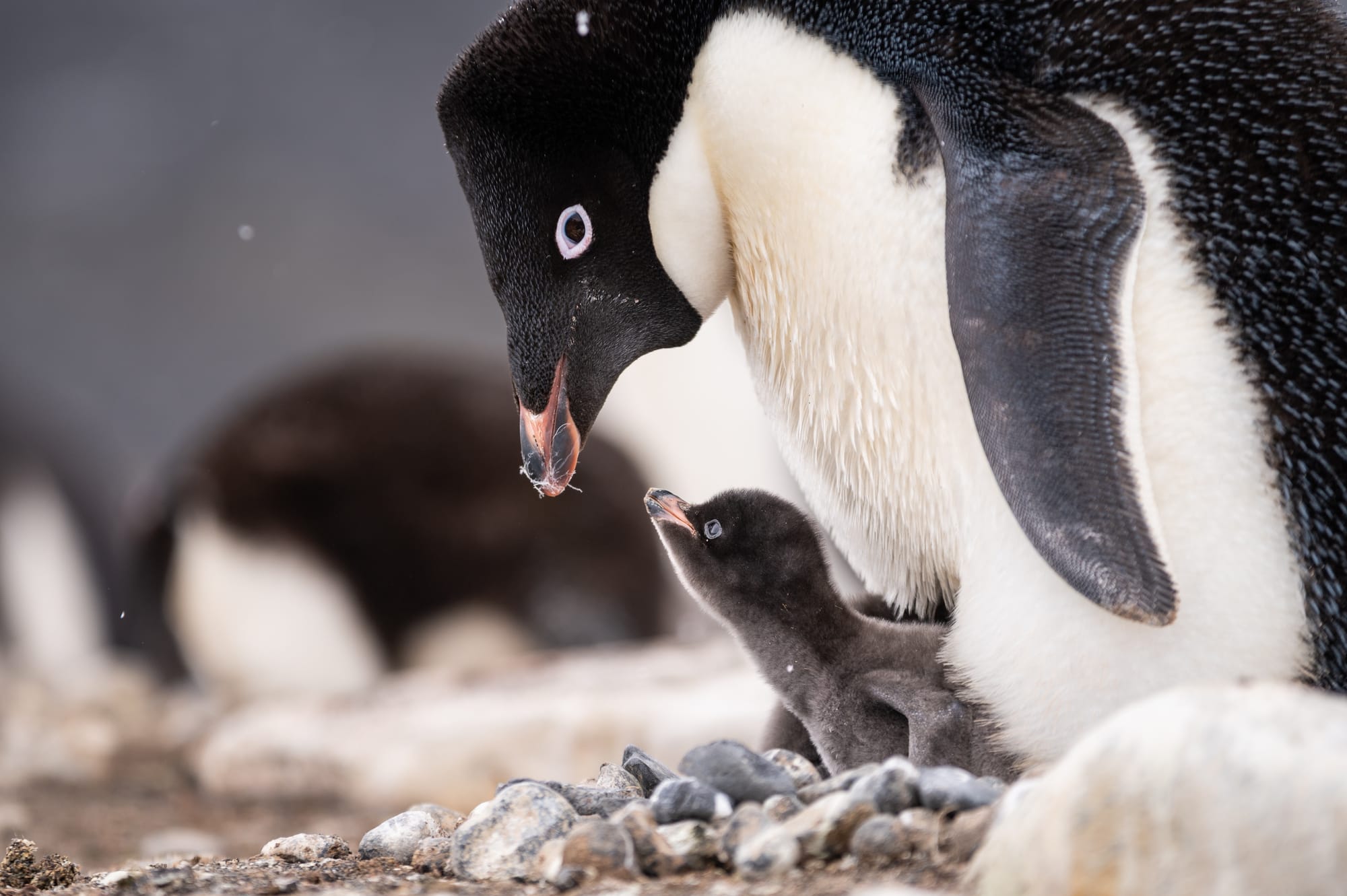
Past extreme and unusual conditions have resulted in mass deaths of penguin chicks in East Antarctica, and plant disease and bird flu outbreaks are possible.
Extreme events are on the rise and are predicted to strengthen, making this “disordered” biodiversity outcome a reality.
Dynamic Antarctica
The Antarctic continent is not only harsh, but is one of the most isolated places on Earth, thousands of kilometres away from the nearest land. This means that, besides its iconic birds, very few dispersing individuals arrive from elsewhere. And even when they do, few survive the conditions.
At best, new life will be slow to take advantage of the warmer and wetter landscapes. Humans could, of course, change all that if we continue to accidentally move new species into the Antarctic when we visit – so far more than 130 species have been introduced with about 35 still present. “Dynamic” Antarctica is one where life adapts, moves and evolves.
Diverse Antarctica
In this more complicated biodiversity outcome, populations across the region adapt quickly to the variable new conditions, with new varieties emerging. Species spread into new ice-free areas and microbes emerge from dormancy, becoming more active.
Naturally-dispersing individuals do manage to survive and we continue to add species by introducing new invasive aliens. Altogether, this means new and more life of different kinds in more areas – and a “diversifying” Antarctic.
Interactive Antarctica
Antarctic species have long been thought to be too focused on survival to interact much with each other (at least not in comparison with life in more comfy parts of the world), for example, to compete with, eat, or rely on other species in any way.
However, recent evidence shows a wide range of interactions between species on the continent. If more species arrive as it warms, increasingly complex networks of species interactions (“interactive“) will develop and start to resemble the webs of life elsewhere.
What now?
Having this clearly-defined set of theory-grounded possible biodiversity outcomes should focus and accelerate research to understand the future of life in the region, how best to meet our responsibility to protect other lifeforms, and how to better-plan for the rapid environmental change facing society.


