

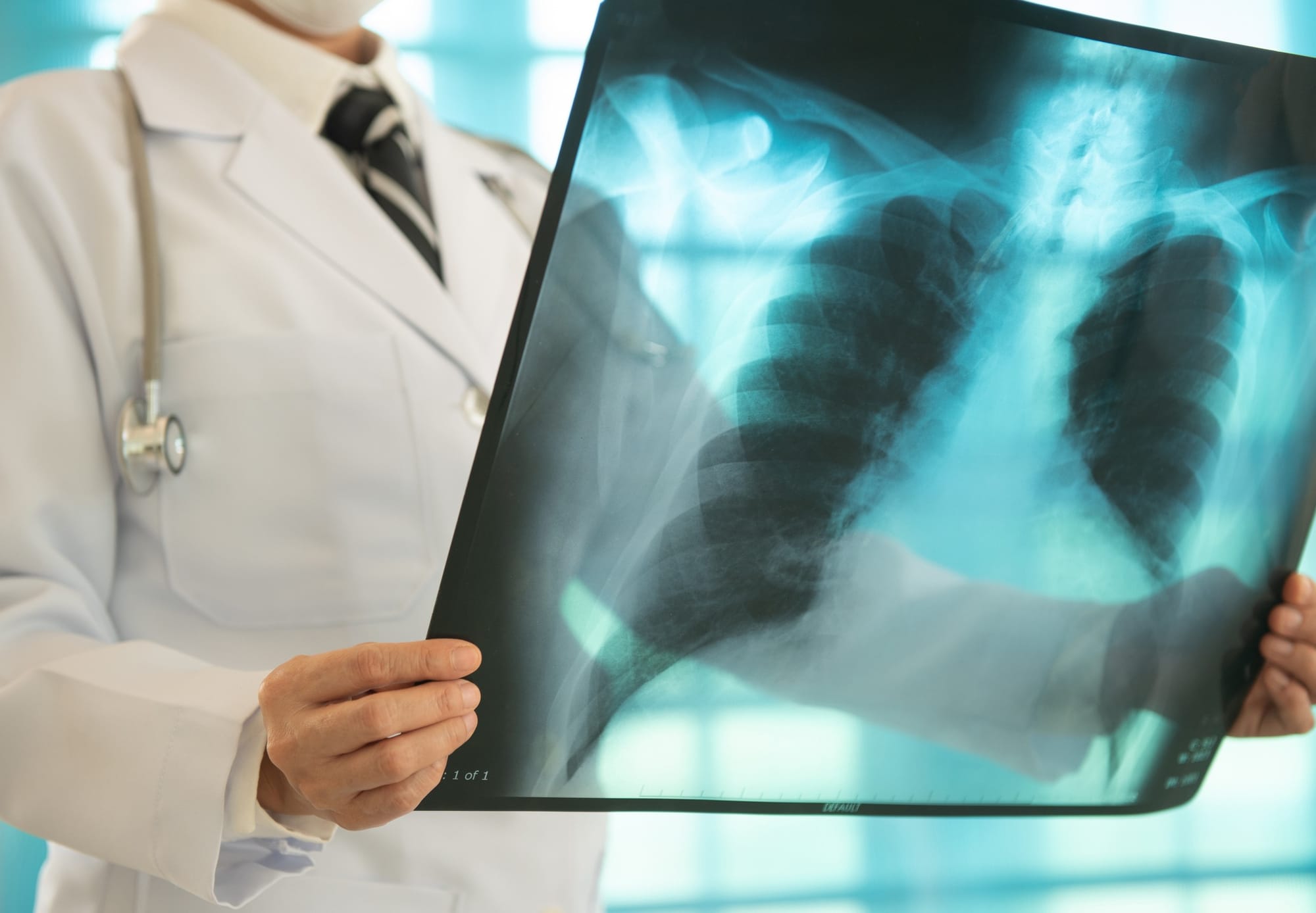
Tuberculosis (TB) was once thought to be a retreating shadow of the past, a relic of a pre-modern era destined for eradication. However, as Dr Kamal Amzan, the Chief Executive Officer of IHH Healthcare Malaysia, aptly notes in an article published in the New Straits Times:
“TB is up. We know what to do. We just don’t keep doing it.”
This reality in Malaysia today is a sobering reminder that pathogens do not respect borders, socioeconomic status, or optimistic projections.
We’re currently witnessing a dangerous re-emergence of this ancient killer, with 3161 cases reported by mid-February 2026, a 9.8% to 10% increase compared to the corresponding period in 2025. As Dr Amzan points out, if we continue to call these outbreaks “unexpected”, it is we, not the pathogen, who are in denial.
Building a durable prevention architecture requires moving beyond reactionary “fogging and fatigue”. It necessitates a fundamental shift in how we view health security, social equity and the very structure of our healthcare delivery.
Tuberculosis Infections Rising in Malaysia with 503 New Cases in Recent Week While WHO Warns of Under-Reporting pic.twitter.com/iEl2u6fuNe
— Thailand Medical News (@ThailandMedicaX) February 20, 2026
The migration paradox: Health security versus national security
Perhaps the most critical “time bomb” in Malaysia's public health landscape is the systematic denial of basic healthcare to hundreds of thousands of unregistered refugees and undocumented migrants.
Currently, our national security framework often operates in direct opposition to our health security. When enforcement agencies prioritise detention and deportation over screening and treatment, they inadvertently drive these populations underground.
Living and working alongside Malaysians, these underserved communities are frequently excluded from vaccinations, basic screenings and affordable treatment.
By denying them access, we’re not protecting our borders; we’re creating a reservoir for TB infection.
To effectively manage TB, we require a legal provision that allows for the screening and treatment of undocumented individuals without the fear of intervention from enforcement agencies.
When a refugee is too afraid to seek a cough remedy for fear of being handcuffed, the entire community, Malaysian and non-Malaysian alike, remains at risk.
From curative-heavy to preventive-first
For too long, the Malaysian healthcare system has been “curative-heavy”. We’ve invested billions into state-of-the-art hospitals and specialist care, yet our preventive measures remain inefficient or under-resourced. We treat outbreaks as “events” rather than symptoms of a systemic failure in our prevention architecture.
A true paradigm shift is required. We must elevate the quality and delivery of preventive medicine services to be the primary pillar of our healthcare strategy.
This requires strong political will to reallocate resources away from the high-cost “rescue” medicine found in hospitals and towards the “quiet” work of public health – enforceable standards, routine audits and shared accountability across agencies.
The architecture of infection: Density and disparity
As Malaysia marches towards high-income-nation status, the widening gap of economic disparity remains a primary driver of TB transmission. Tuberculosis is a disease of poverty and overcrowding. In low-socioeconomic status (SES) communities, families continue to live in cramped, poorly-ventilated spaces, environments “designed for comfort and commerce, not for air and containment”.
In these high-contact settings, weak enforcement of housing and workplace standards allows the bacteria to spread with ease.
Addressing TB is not just a medical challenge, it’s a municipal one. It involves local councils and employers ensuring the spaces where people live and work meet basic health standards for ventilation and density.
Empowering the frontline: Primary care and technology
The current model, where TB patients typically present late to hospitals with advanced complications, is unsustainable. We must pivot away from the hospital-centric model and empower our “first line of defence”, the primary care providers.
To achieve this, we must:
- Decentralise screening. Make advanced diagnostic tools with higher-accuracy yields accessible at the primary care level, including private GPs.
- Democratise treatment. Ensure TB medications are available at local public and private clinics so treatment can occur within the community where the patient lives.
- Leverage AI. Develop AI-assisted diagnostic tools (such as automated chest x-ray screening) to act as a complementary layer for early detection and public education. AI assisted symptoms-based diagnosis is another way to go. Development of a self-test kit, utilising our existing knowledge on TB biomarkers, is another way to increase the pickup rate.
Cultivating a culture of awareness
Public health isn’t a campaign, it’s a system. To sustain this system, we must address the “sick leave culture” that rewards delay and the “fogging and fatigue” cycle of reactive municipal responses.
Education is our most potent long-term weapon. Awareness of TB and other preventable diseases, including non-communicable diseases (NCDs), should be woven into the national education curriculum as early as primary school. If children grow up understanding the signs of respiratory illness and the importance of ventilation, we build a society that is naturally resistant to outbreaks.
Further, we must strengthen society’s involvement through community-based programs, ensuring public health is a shared responsibility embraced by every neighbourhood, not just a mandate from the Ministry of Health.
The re-emergence of TB in Malaysia is a symptom of systemic neglect – neglect of the underserved, neglect of preventive infrastructure and neglect of the social determinants of health. Public health is built as much by local councils and employers as it is by the MOH.
We know what to do; we simply need the collective will to keep doing it. By integrating our primary care system, leveraging technology and ensuring no resident, regardless of their legal status, is left in the shadows of the healthcare system, we can finally turn the tide against this resurgent threat.
We’re at the crossroads of health security versus national sovereignty, preventive medicine versus curative medicine, and holistic proactive preventive approach versus reactive approach. If we do not choose wisely, the nation will suffer. The health security issue is a national security issue.


