

Health authorities across South and Southeast Asia are on high alert over renewed concerns about the Nipah virus, one of the world’s most lethal zoonotic pathogens, following reports of human cases in West Bengal, India.
With fatality rates previously reported between 40% and 75% and no approved vaccines or treatments for humans, Nipah is a major public health threat and is identified by organisations such as the World Health Organisation as a priority pathogen for medical countermeasures to respond to epidemics and pandemics.
Two confirmed cases of the deadly Nipah virus in India have prompted authorities in Thailand and Malaysia to step up airport health screening to prevent the spread of the infection. But what is Nipah virus, and how worried should people be? https://t.co/zL8AaahL0d pic.twitter.com/sjdMFLrBQU
— Reuters (@Reuters) January 28, 2026
As public health officials focus on containment and surveillance, research from Australian scientists is shining a light on how Nipah, and its viral relatives, are able to control the cells they infect in animals and humans, and how these processes may be stopped through new antiviral strategies.
Henipaviruses are a subset of closely-related viruses that includes Nipah virus and its Australian relative, the Hendra virus. These are among the deadliest viruses known to infect humans.
Both viruses spill over from bats into other animals and people, causing severe respiratory disease and inflammation of the brain with high case-fatality rates.
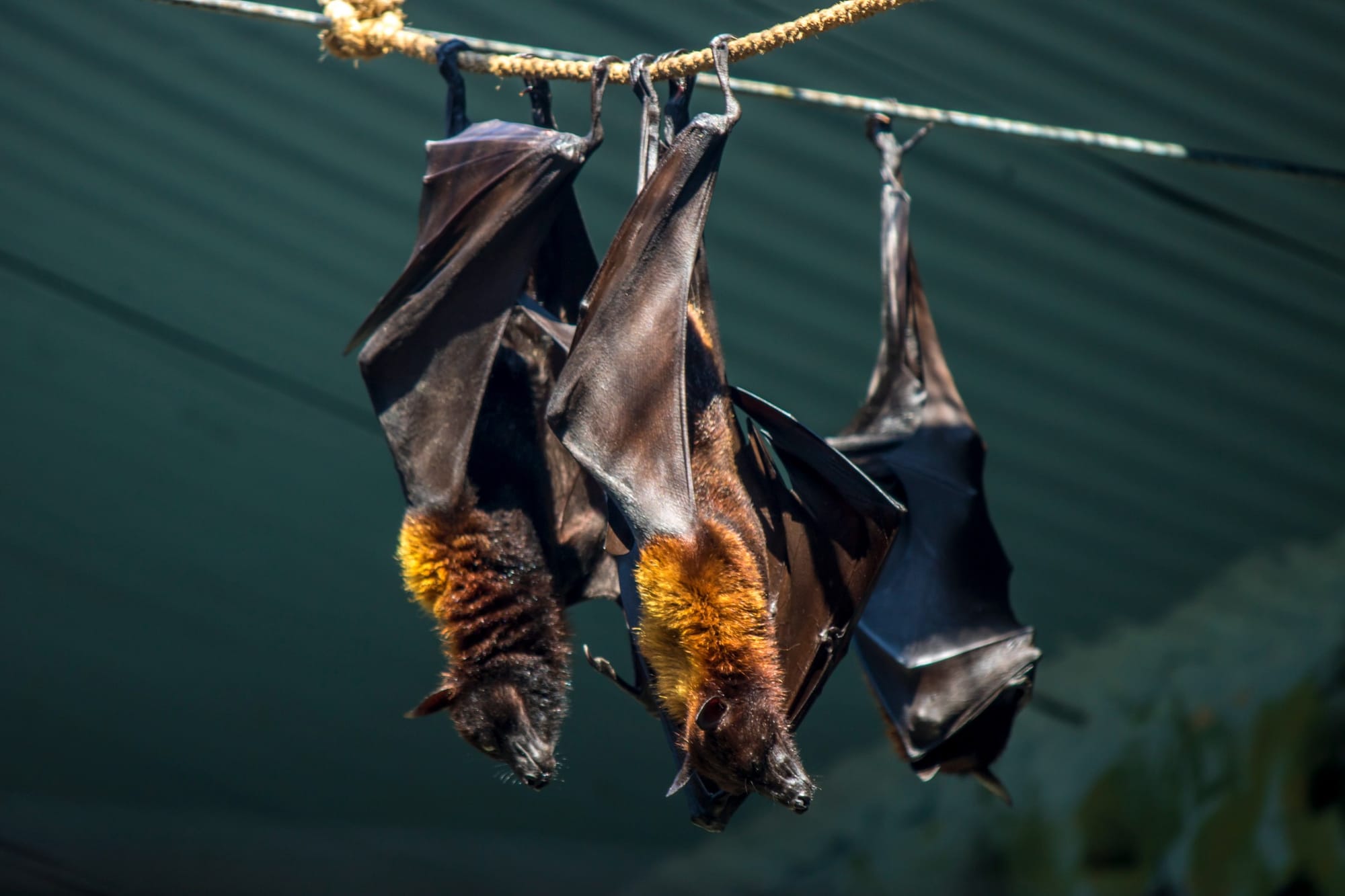
Since their emergence in the 1990s – Hendra in Brisbane in 1994 and Nipah in Malaysia in 1998 – henipaviruses have caused repeated outbreaks, killing several hundred people.
Nipah in particular has been reported to spread from bats to people with no animal intermediate and, while relatively restricted, can also spread from person to person, making this virus a particular concern, with annual outbreaks in Bangladesh and multiple outbreaks in India in recent years.
To date, Hendra has only infected a handful of people in Australia, and has always involved an intermediate host (horses) infected by spillovers from bats.
Nipah remains a persistent threat in parts of South Asia. India’s southern state of Kerala has been a hotspot for the disease, with two confirmed cases in December sparking the latest concern. In 2018, 19 cases were reported, of which 17 were fatal; and in 2023, two out of six confirmed cases later died.
“Nipah is not so important in Australia, but it’s the one people are concerned about internationally,” says Associate Professor Gregory Moseley, head of the Viral Pathogenesis Laboratory at Monash University’s Biomedicine Discovery Institute (BDI).
“Nipah has not spread internationally from recent outbreaks, but a spillover that resulted in long-distance spread could have very major impact, not only in the direct effects on health, but also on things such as international travel, health infrastructure and economics.”
Because of this risk, Nipah and Hendra are both listed on the World Health Organisation’s blueprint list of priority diseases.
Focus on virus strategies
Against this backdrop, researchers at Monash University have focused on understanding the strategies used by zoonotic viruses, including henipaviruses, to control cells, including how they turn off our antiviral defences.
Recent research with the University of Melbourne and CSIRO identified a previously unknown mechanism used by henipaviruses and other zoonoses to alter cell biology, potentially opening the door to new antiviral strategies. Findings from these studies were published in the journal Nature Communications.
The multidisciplinary studies, led by Associate Professor Moseley and Dr Stephen Rawlinson, also from Monash University’s BDI, sought to discover how viral proteins are able to control many essential cellular processes.
“Viruses have the ability to do so much with so little,” Associate Professor Moseley says. “Understanding how small viruses can do so much has been a major challenge.”
Their recent discoveries showed how viral proteins can expand their functions to control infected cells, revealing that henipaviruses and other zoonotic viruses rely on proteins that perform multiple activities, either by packing many molecular “tools” into a single protein, like a Swiss Army knife, or by adopting multiple shapes, like origami.
“Multifunctional viral proteins at a simple level act like trains made up of separate carriages, with each part doing a specific job,” Dr Rawlinson says, “but our results also indicate that high levels of additional functions can arise from how these parts fold together, change shape and interact with RNA.”
In one of these functions, they found that viruses, including henipaviruses, exploit a cellular system normally used to protect DNA from damage and prevent dangerous mutations.
“It was already known that the viruses send particular proteins into a key part of the cell’s nucleus called the nucleolus,” Associate Professor Moseley says. “But what we didn’t know was why they were doing this.”
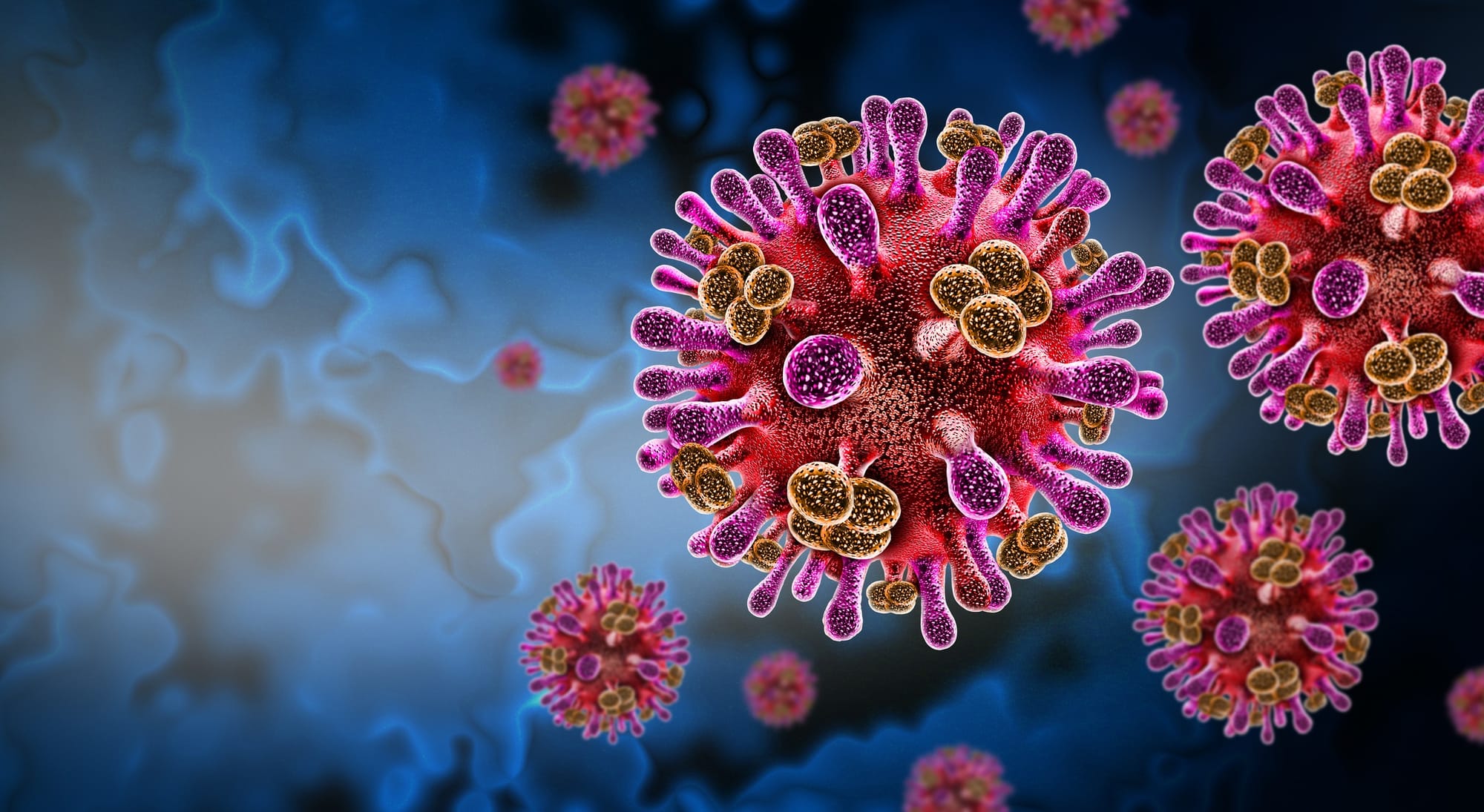
The team discovered that the viral proteins interact with a human protein known as Treacle, a central player in the cell’s DNA damage response machinery. By binding to and inhibiting Treacle, the virus appears to change fundamental mechanisms in how the cells work and respond to their environment, including viral infections.
“What the virus seems to be doing is imitating part of the DNA damage response,” says Associate Professor Moseley. “It’s using a mechanism your cells have to protect you against things like ageing and mutations that lead to cancer. This appears to make the cell a better place for the virus to prosper.”
Treacle is best known for its role in Treacher Collins syndrome, a rare craniofacial disorder that was depicted in the 2017 film Wonder. This recently-identified role in infection by several pathogenic viruses highlights how pathogens can co-opt even the most fundamental cellular safeguards.
According to Associate Professor Moseley, blocking this interaction between viral proteins and the DNA damage response could offer a new route for antiviral drug development.
“We identified a new way that viruses change the cell, by using the very same machinery that the cell normally uses to protect itself,” he said. “That gives us fresh targets to think about.”
A shift in understanding
The research also adds to a broader shift in how scientists understand viral biology. Viruses are famously minimalist, carrying only a handful of genes, yet they are capable of taking over complex human cells with remarkable efficiency.
As Nipah continues to re-emerge in vulnerable regions, the researchers stress that fundamental science remains a critical part of pandemic preparedness.
“Understanding how these viruses work at the most basic level is essential,” Associate Professor Moseley says. “If we know how they hijack our cells, we have a much better chance of finding ways to stop them.”
For now, containment, surveillance and infection control remain the only approved defences against Nipah. But scientists hope that discoveries such as this could one day translate into treatments that offer a measure of protection against viruses that global health experts fear could otherwise have devastating consequences.


