


Medicinal and aromatic plants (MAPs) represent some of nature’s most valuable botanical resources, with more than three-quarters of the world’s population relying on them, yet many of these species are disappearing faster than they can regenerate.
Medicinal plants play a vital role in preventing and treating disease and in promoting overall health. Aromatic plants, by contrast, are primarily valued for their essential oils or spices, which are widely used for medicinal, culinary, and cosmetic purposes.
Together, MAPs harbour a rich diversity of bioactive compounds, including alkaloids, glycosides, essential oils, and other non-categorised compounds such as pigments, tannins, polyketides, and terpenoids.
The traditional and cultural significance of MAPs can be traced to early civilisations in Egypt, Greece, India and China, among others.
As human societies increasingly recognised the richness and benefits of MAPs, a bridge between nature and civilisation emerged, giving rise to ethnobotanical knowledge embedded in traditional healing systems and the diversified use of aromatic plants for culinary, dyeing, colouring, and ritualistic purposes.
As knowledge on the use of MAPs passed down through generations, the rich traditional knowledge was kept within the culture and the MAPs became an asset to indigenous groups.
MAPs are therefore not only part of nature’s heritage but are also integral to the cultural identity of these communities.
The importance of MAPs stems from their primary identity as nature’s pharmacy. Almost every part of a plant, its roots, stems, leaves, flowers, fruits, seeds, and essential oils (and fragrances), harbours compounds that can be used as active ingredients to treat ailments.
In fact, more than 25% of pharmaceutical drugs available are derived from plants, with WHO further classifying 11% of the 252 available drugs considered as basic and essential, as exclusively from plant origin.
They include digitoxin from foxglove (Digitalis purpurea) for treatment of heart failure, quinine and quinidine from the bark of Cinchona spp. as antimalarial drugs, and vincristine and vinblastine from leaves of the periwinkle (Catharanthus roseus) plant for anticancer drugs.
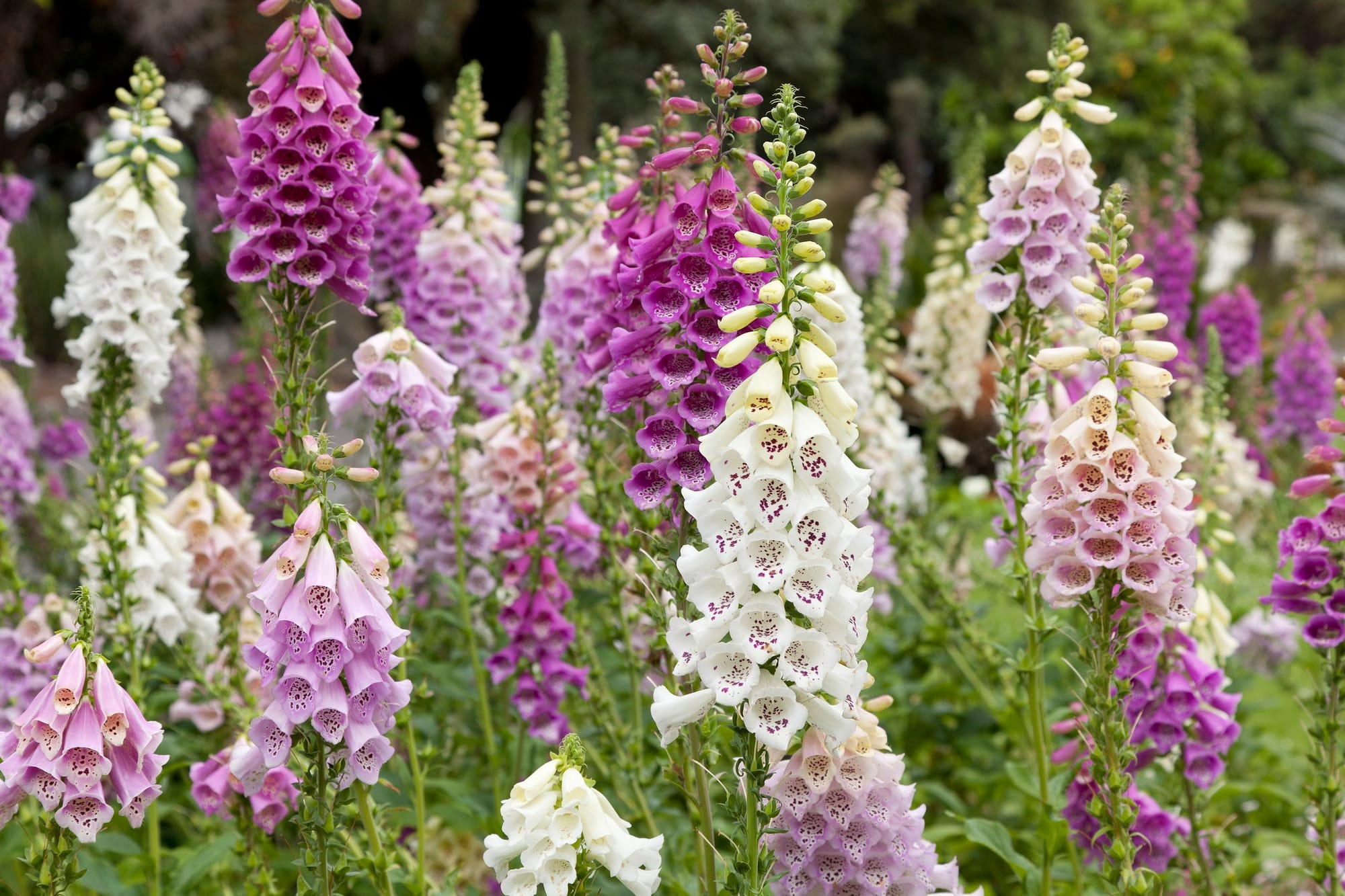
Today, MAPs are used by more than 75-80% of the world’s population in supporting human health. With the advancement in science, most of the MAPs contribute to industries beyond the traditional medicine realm.
Pharmaceuticals, cosmetics and perfumes, and food industries, all benefited from the research and innovations linked to MAPs.
MAPs have become key resources not only for supporting human health but also for sustaining economic livelihoods. And with the rise in the world population, the global market demand for MAPs is expected to rise in parallel.
The market share in the export of MAPs is dominated by several countries across various continents. Mexico and Paraguay in South America, export candelilla wax plant, white-spined prickly pear and verawood.
On the African continent, South Africa, Cameroon, Uganda, Congo and Kenya are the main exporters of bitter aloe, Bushman’s hat, African cherry, and African sandalwood.
In the Asian region, Indonesia, Vietnam, and Nepal, export agarwood, lakawood, wooly ferns, spikenard, and Himalayan Yew.
These MAPs are imported primarily by the USA, France, Japan, Saudi Arabia, Taiwan, Korea, Germany, Argentina, India and Spain. The boom in the niche market for MAPs provided income and employment to many who are forest gatherers, herbal farmers, and entrepreneurs. This helped to reduce poverty and uplift the socio-economic status of the rural communities.
The biodiversity risk
However, with the increase in market demand for MAPs, there are risks related to biodiversity and sustainability of MAPs.
As most of the MAPs are harvested directly from the wild, they are extremely susceptible to overharvesting and overexploitation, accelerated by the poor monitoring and regulation of MAPs.
Overemphasis on commercialisation triggers illegal trading of MAPs. Additionally, habitat loss due to natural or anthropogenic drivers (e.g., deforestation), as well as changes in land-use (e.g., agricultural expansion, infrastructure development), are all primary contributors to the rapid erosion of ecosystems and biodiversity loss meant to support MAPs.
In recent years, forests are threatened by climate change as well. Changes to rainfall patterns and fluctuating temperatures are among factors that have an influence on plant distribution and survival.
When MAPs are impacted by climate change and habitat loss, their crucial ecological roles are diminished. Being part of wildlife in the forests, MAPs are known to contribute to biodiversity, and in sustaining life in the ecosystems. They also contribute to the forest structure and soil stability, as well as in supporting the diverse flora and fauna in the forest.
The combination of various climatic, environmental and economic demands puts a strain on the existence and sustainability of MAPs.
As a result, an estimated 1500 of the various species of MAPs have been listed in the Convention on International Trade in Endangered Species of Wild Fauna and Flora (CITES), with 800 of these listed in CITES Appendix II .
The top 10 CITES-listed medicinal plants are the Asian-Korean ginseng (Panax ginseng), Putchuk thistle (Dolomiaea costus), bitter Aloe (Aloe ferox), Indian snakeroot (Rauvolfia serpentina), spikenard (Nardostachys jatamansi), Himalayan Mayapple (Podophyllum hexandrum), Barbary fig (Opuntia ficus-indica), African cherry (Prunus africana), American ginseng (Panax quinquefolius), and kutki (Picrorhiza kurroa).
Of these, spikenard (N. jatamansi), Putchuk thistle (D. costus), Himalayan Mayapple (P. hexandrum), and the orchid Dendrobium nobile, agarwood Aquilaria malaccensis, and the flat-leaved vanilla orchid Vanilla planifolia, are the most commonly traded MAPs.
More than 20% of these MAPs species are also listed in the IUCN Red List, indicating species threatened with extinction.
Several of these are within the IUCN Red List categorised as critically endangered (the spikenard Nardostachys grandiflora, agarwood Aquilaria malaccensis, pictured below), endangered (e.g., verawood plant Bulsenia sarmientai), or vulnerable (e.g., African cherry Prunus africana).
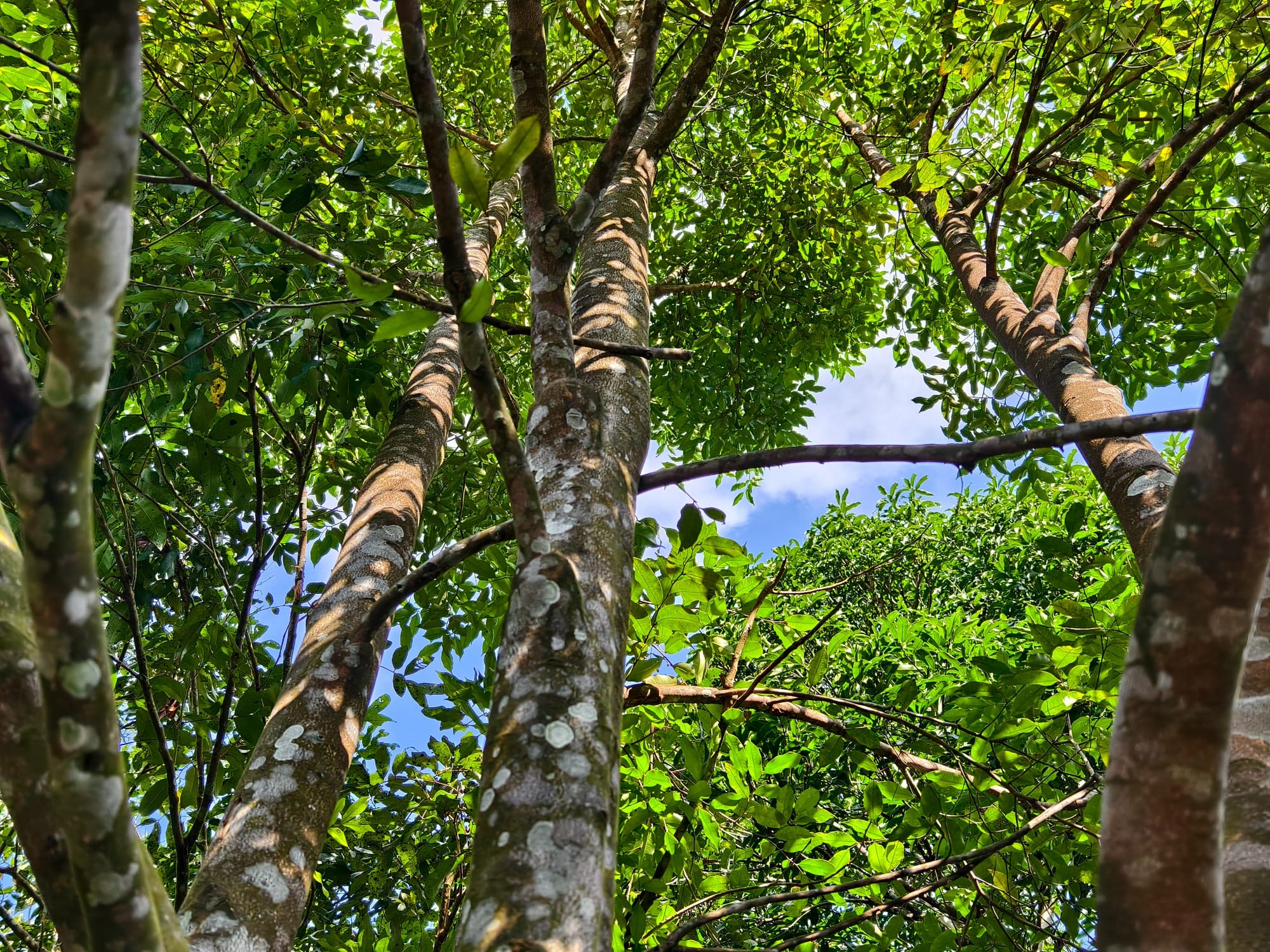
As MAPs become increasingly vulnerable to species loss, it brings about severe impact to the continuation of traditional medicine practices, cultural heritage, economic security and livelihoods of local communities. As such, sustainable cultivation, harvest and conservation of MAPs become glaringly critical.
In response to the need for conservation of MAPs, several approaches can be adopted. It takes science, policy, and people, as agents of change, to drive responsible management of MAPs.
Science aids in providing evidence-based data that steers the strategies in identifying, bioprospecting, propagating, cultivating, and conserving MAPs.
Through science, MAPs are cultivated as a means of generating a continuous supply of MAPs without the risk of extinction.
The approaches adopted include agroforestry, intensive farming and controlled cultivation. These approaches, especially in agroforestry, promote climate resilience and introduce biodiversity-friendly agricultural approaches.
Policy is the second agent of change. Policies matter in safe-guarding MAPs so that there is sustainable production of MAPs, knowledge protection of their ethnobotanical use, and the preservation of cultural heritage.
Conservation policies protect the habitat of MAPs, outline sustainable harvesting guidelines, and emphasise restoration strategies.
As mandated in the Kunming-Montreal Global Biodiversity Framework (KMGBF), conservation policies should address the sustainable use, harvesting and trading of wild species (Target 5), and restore ecosystems that support biodiversity (Target 10).
Policies should also include elements of education and awareness whereby knowledge and the value of MAPs is promoted in a manner that helps inculcate responsible production and consumption.
It is essential to strengthen knowledge and awareness by highlighting the importance of MAPs in our daily life, and the challenges of sustainable production.
When consumers recognise the origins of herbal products and essential oils, they are more likely to support ethical and sustainable practices.
People, particularly local and indigenous communities, are the final and most critical agents of change.
Local communities can be empowered by the sharing of knowledge and the understanding of their traditional rights.
Local communities can convince and work together with other stakeholders to recognise and develop appreciation to the traditional knowledge and heritage value of MAPs, beyond commercialisation.
By working together, cultivation of MAPs can be sustainably implemented, enhancing livelihoods. The critical role of local communities (indigenous communities) in conservation of wild species is one of the targets (Target 9) of the KMGBF as well.
By empowering local communities as stewards of biodiversity, conservation efforts become more inclusive, effective and just.
Ultimately, the goal is to ensure that nature’s heritage is kept through time. And to achieve this, the strategies must be aligned to biodiversity protection, cultural heritage preservation and sustainable development.
By reflecting on the MAPs found in nature, we are reminded that conservation of MAPs is a shared responsibility; a moral and environmental responsibility.
By conserving medicinal and aromatic plants through responsible use, inclusive governance and respect for traditional knowledge, we can ensure that nature’s healing resources continue to benefit the present and future generations.


