

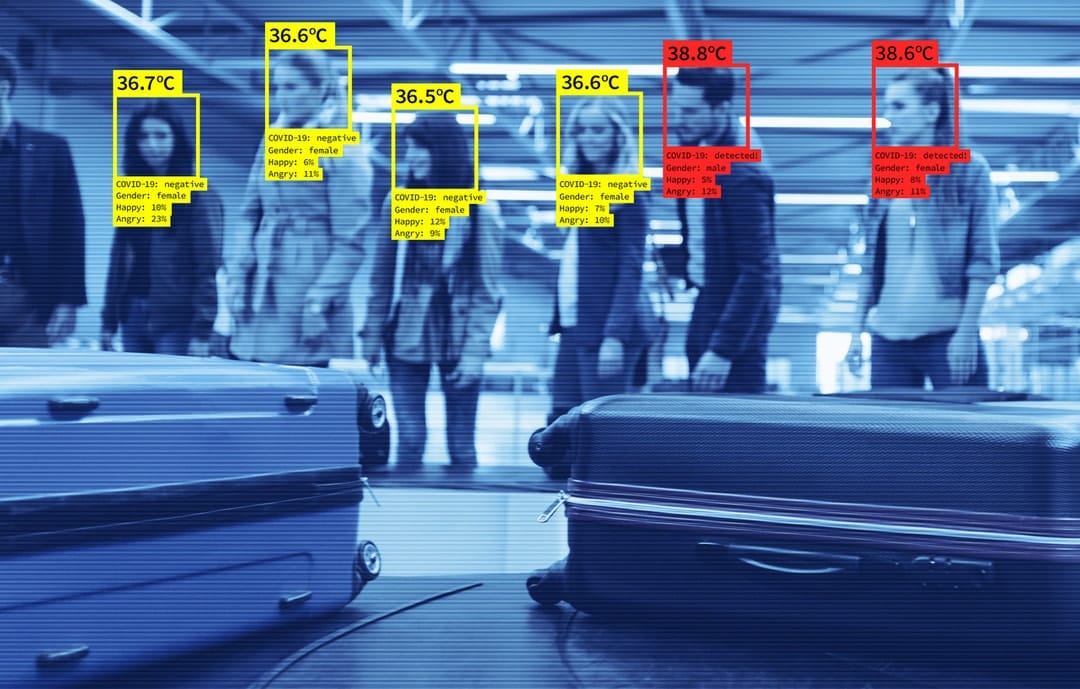
Face-recognition technology means that any of us could be identified whenever we walk past a CCTV camera at train stations, busy intersections, shopping malls or airports. Our location can also be tracked via our smartphones, and our interests and social circle can be discovered via our Google searches and social media posts.
The idea that we have a private life – or are entitled to one – has been further eroded in the COVID-19 era, where our visits to cafes, galleries, hospitals and sporting arenas are recorded in case they're needed for contract-tracing purposes.
Read more: Facial recognition technology and the end of privacy for good
How are these technologies affecting our behaviour, and what – if anything – can be done to step them back?
In this episode of A Different Lens, Monash University academics consider the social, legal, technological and health implications of living in a world of surveillance. They talk about what we have gained – and what we have, unwittingly, given away.


